
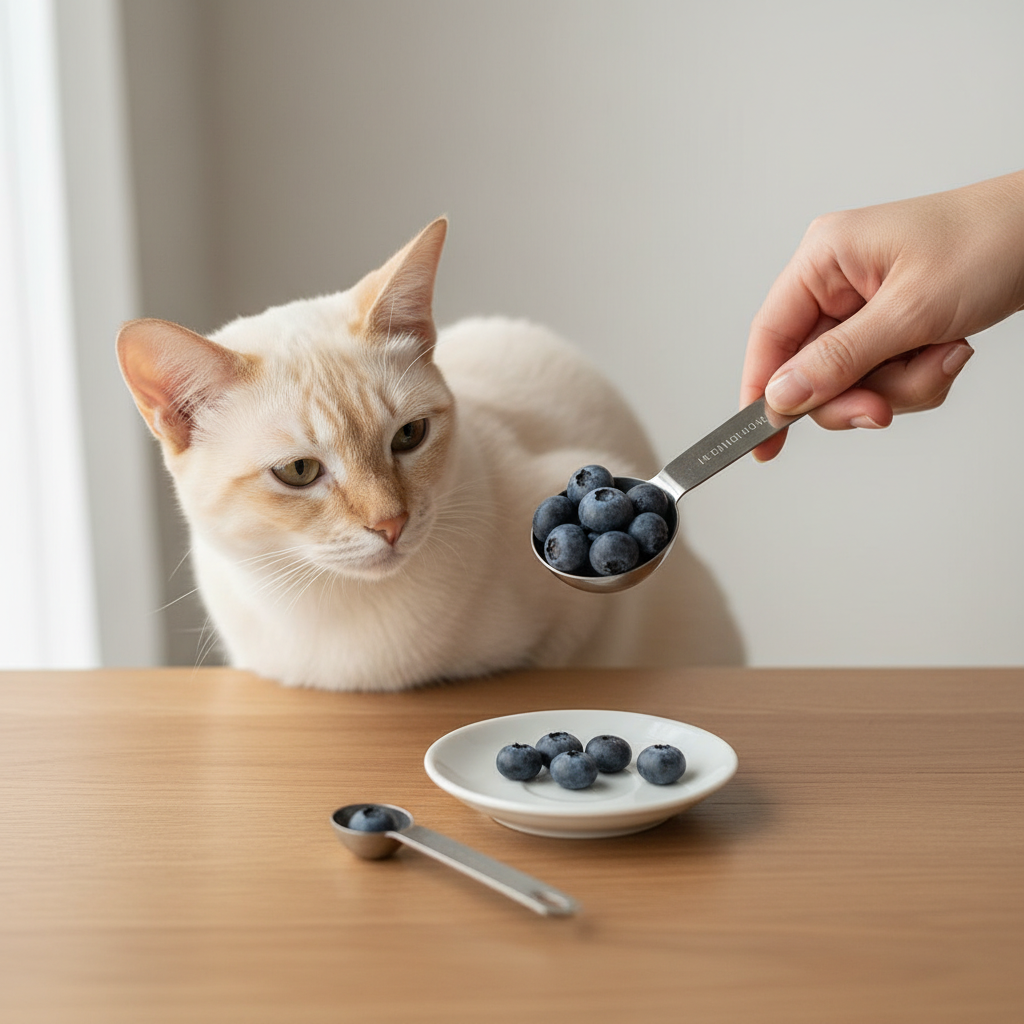
Key Takeaways
- Blueberries are not toxic to cats and are safe in small quantities as an occasional treat.
- Cats lack sweet taste receptors, so most cats have no interest in blueberries — don’t force it.
- Blueberries are high in antioxidants, but cats do not absorb many plant-based nutrients efficiently.
- The sugar content in blueberries makes them unsuitable for cats with diabetes or obesity.
- Always offer fresh or plain frozen blueberries — never blueberry products with added sugar, syrup, or artificial sweeteners.
Is Blueberry Safe for Cats?
Blueberries are considered non-toxic to cats by the ASPCA, and a few fresh blueberries are not going to harm your cat. That said, blueberries occupy an interesting middle ground: while safe, they’re also largely irrelevant to cats from a nutritional standpoint. This is because cats are obligate carnivores who have evolved to process animal-based foods, not fruit. In fact, cats are unique among mammals in that they lack functional sweet taste receptors — they literally cannot taste sweetness. This means the main appeal of blueberries to humans (their sweet flavor) is entirely lost on most cats.
Some individual cats may still show interest in blueberries — attracted by texture, smell, or novelty — and it’s fine to let them have a few. A blueberry here and there is a harmless, very low-calorie treat. The concern arises if blueberries are offered in large amounts or used as a frequent dietary supplement, as their sugar content can contribute to weight gain and blood sugar fluctuations in cats.
Processed blueberry products — blueberry jam, blueberry yogurt, dried blueberries with added sugar — are not appropriate for cats. Only plain, fresh or unsweetened frozen blueberries are safe to offer.
Nutritional Value
Blueberries are celebrated for their antioxidant content, particularly anthocyanins and flavonoids. They also provide vitamin C, vitamin K, manganese, and dietary fiber. However, cats do not require vitamin C in their diet (they synthesize it endogenously), and their ability to utilize plant-based antioxidants and phytonutrients is less efficient than in omnivores. The fiber content may offer minor digestive support. A 3-berry serving contains approximately 5–8 calories and about 1g of natural sugar — a negligible amount for a healthy cat in this quantity.
Benefits for Cats
The evidence for meaningful health benefits of blueberries specifically in cats is limited. The antioxidants in blueberries may offer some anti-inflammatory and cellular protective effects in cats, but this is largely theoretical given the limited feline-specific research. Interestingly, some high-quality commercial cat foods include blueberry extract or blueberries as ingredients, positioning them as antioxidant-rich additions to feline wellness diets. As a low-calorie treat option, blueberries are useful for cats that are food-motivated and could benefit from variety — particularly cats on weight management programs who need something to chew on without adding significant calories.
Risks and What to Avoid
Sugar content: Though blueberries are relatively low in sugar compared to many fruits, they still contain natural sugars (fructose). Cats with diabetes should avoid blueberries, or only have them with veterinary approval.
Choking risk: Whole blueberries could theoretically be a choking hazard for very small cats or kittens. Cutting them in half or squishing them slightly before offering is a simple precaution for small cats.
Digestive upset: Large amounts of fruit can cause diarrhea in cats due to the sugar and fiber load. Keep servings small.
Processed blueberry products: Blueberry jam, dried sweetened blueberries, blueberry muffins, and blueberry-flavored treats for humans are all inappropriate for cats. They typically contain added sugar, preservatives, and potentially artificial sweeteners like xylitol.
Wild-harvested blueberries: If foraging wild berries, ensure correct identification — some wild berries that resemble blueberries can be toxic. Only offer commercially grown, properly identified blueberries.
How Much Can a Cat Eat?
| Cat Size | Max Serving | Frequency |
|---|---|---|
| Small (under 8 lbs) | 1–2 blueberries | Occasional treat, a few times a week |
| Medium (8–12 lbs) | 2–3 blueberries | Occasional treat, a few times a week |
| Large (12+ lbs) | 3–4 blueberries | Occasional treat, a few times a week |
Most cats will simply ignore blueberries — which is perfectly fine. If your cat enjoys them, a few at a time is safe. Don’t exceed 10% of daily caloric intake with all treats combined.
When to Call Your Vet
A few blueberries are extremely unlikely to require veterinary attention in a healthy cat. Contact your vet if your cat ate a large number and develops significant diarrhea or vomiting, or if you’re uncertain about a berry your cat consumed outdoors and want to confirm the species. Cats with diabetes should consult their vet before any fruit treats.