
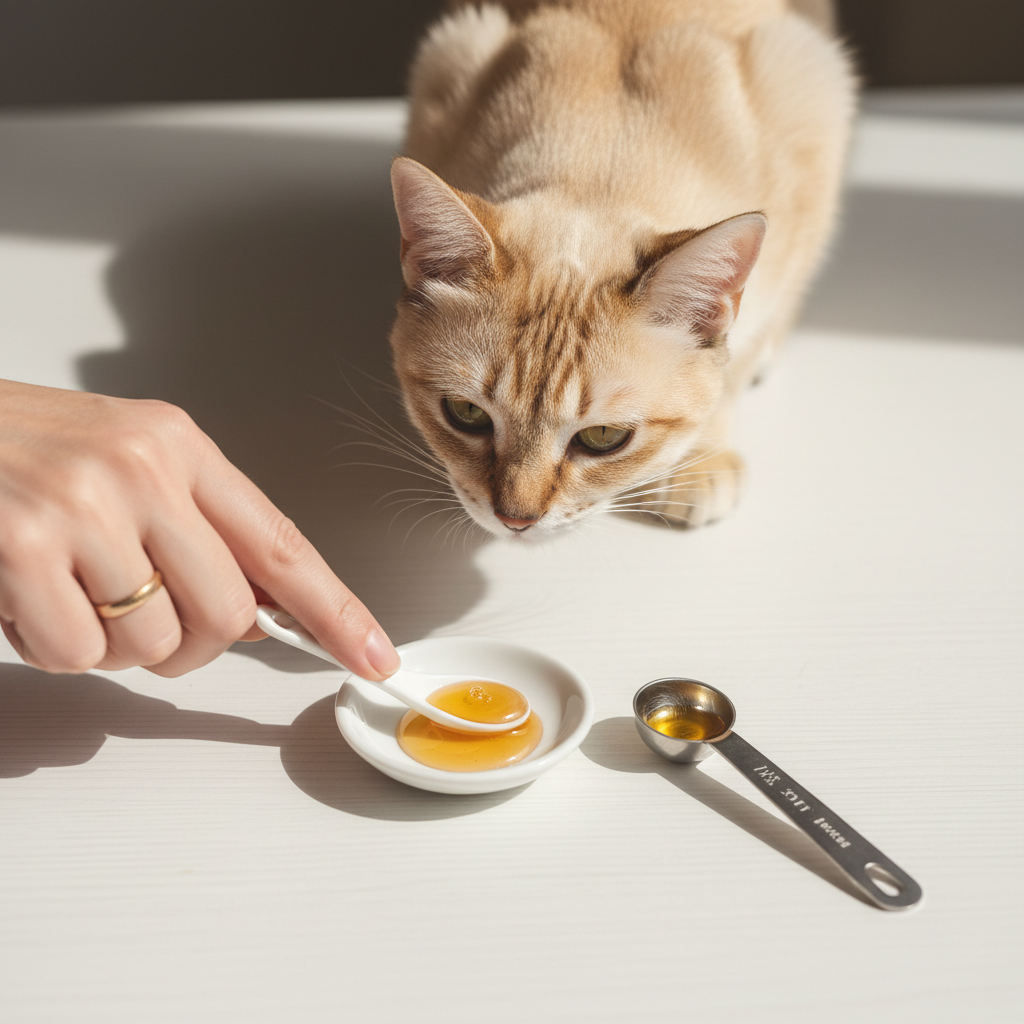
Quick answer: Cats can have tiny amounts of honey occasionally, but it offers no nutritional benefit and the high sugar content makes it unsuitable for regular feeding.
Key Takeaways
- Honey is non-toxic to cats in small amounts
- High sugar content can cause weight gain and diabetes
- Raw honey may contain harmful bacteria
- Kittens under 1 year should not have honey
- Never give honey to diabetic cats
Safety Overview
According to the ASPCA, honey is non-toxic to cats. However, this does not mean it is beneficial or recommended. Honey is essentially pure sugar, and cats are obligate carnivores with no biological need for carbohydrates. The high sugar content can contribute to obesity, diabetes, and dental problems. Additionally, raw honey may contain botulism spores which can be dangerous, particularly for kittens with immature immune systems.
Nutrition Facts (per tablespoon honey)
| Nutrient | Amount |
|---|---|
| Calories | 64 kcal |
| Carbohydrates | 17g |
| Sugars | 17g |
| Protein | 0.1g |
| Fat | 0g |
| Glycemic Index | 58-65 |
Potential Benefits
- Wound healing: Medical-grade honey is sometimes used externally on wounds under veterinary guidance
- Soothing: Small amounts may help soothe a sore throat
Risks and What to Avoid
- High sugar: Contributes to obesity and diabetes
- Botulism risk: Raw honey may contain C. botulinum spores
- Dental issues: Sticky sugar promotes tooth decay
- Digestive upset: Can cause diarrhea in some cats
- Allergies: Some cats may be allergic to pollen in honey
Serving Size Guide
| Cat Size | Maximum | Frequency |
|---|---|---|
| Adult only | 1/4 teaspoon | Rarely |
When to Avoid Completely
- Kittens under 1 year old
- Diabetic cats
- Overweight cats
- Cats with dental disease