
Key Takeaways
- Plain, cooked white rice is not toxic to cats and is often recommended as a bland diet component for digestive upset.
- Rice provides carbohydrates, which cats do not require — they are obligate carnivores with limited ability to process plant-based carbs.
- Never give raw, uncooked rice — it is indigestible and can cause bloating.
- Brown rice, while more nutritious for humans, is harder for cats to digest than white rice.
- Rice should be a very occasional supplement or temporary digestive aid, not a regular part of a cat’s diet.
Is Rice Safe for Cats?
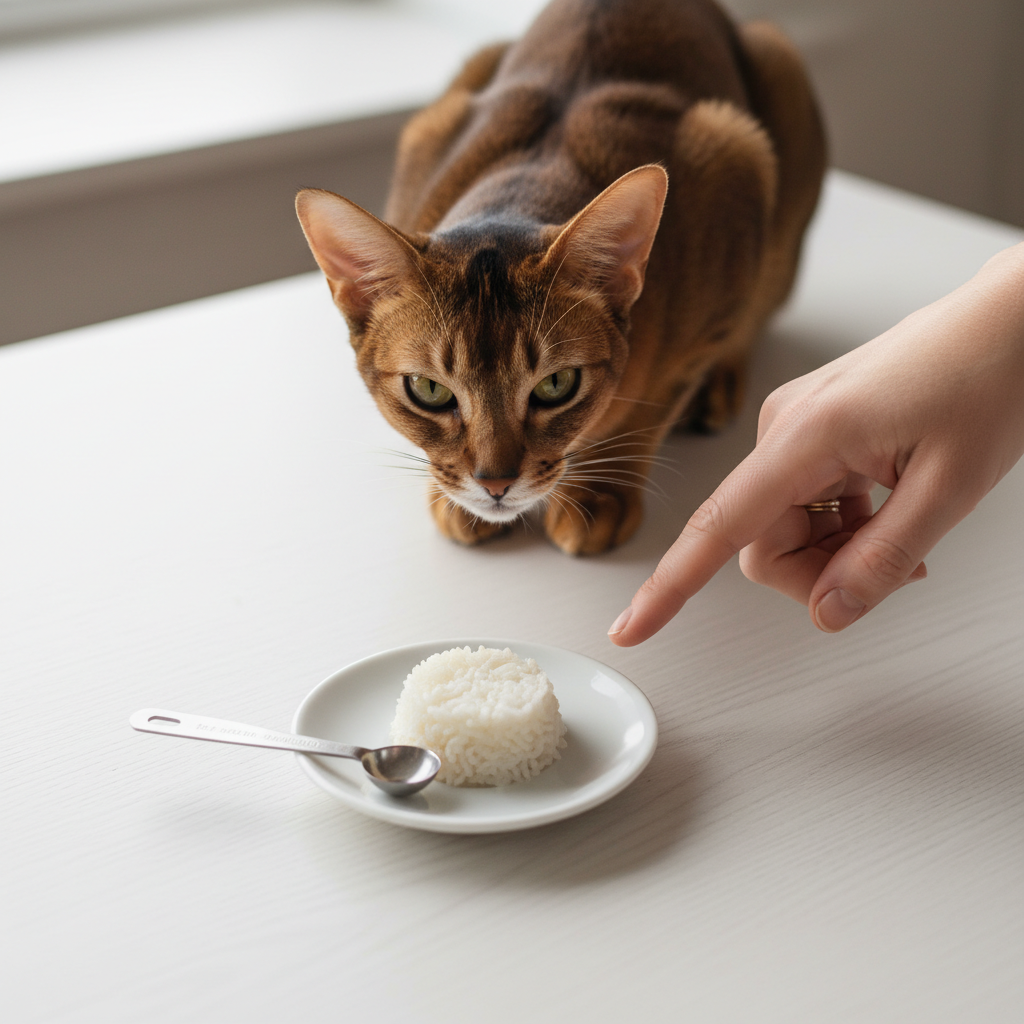
Plain, well-cooked white rice is safe for cats in small amounts and is not toxic. In fact, veterinarians sometimes recommend a bland diet of boiled chicken and white rice for cats experiencing mild vomiting or diarrhea, as the easily digestible carbohydrates in white rice can help bind loose stools and give the digestive tract a chance to recover. This is a temporary measure, however — not a long-term dietary strategy.
Cats are obligate carnivores, which means their digestive systems are optimized for processing animal proteins and fats, not carbohydrates. Unlike omnivores such as dogs or humans, cats have limited capacity to digest and metabolize starchy carbohydrates. Their small intestine produces lower amounts of the enzymes needed to break down complex carbohydrates, and their pancreas is less adapted to handling carbohydrate-heavy meals. This doesn’t mean rice causes immediate harm in small quantities — it just means it provides very little usable nutrition for a cat.
A key distinction is between white rice (refined, easy to digest) and brown rice (whole grain, higher fiber). Brown rice, while more nutritious for humans, is actually harder for cats to digest and may cause more gas and digestive discomfort. If using rice for a cat with digestive upset, plain white rice is the appropriate choice.
Nutritional Value
Plain white rice is primarily a source of simple carbohydrates (starch), with modest protein and minimal fat. A quarter cup of cooked white rice contains approximately 50 calories, 1g of protein, 0g of fat, and 11g of carbohydrates. It provides small amounts of B vitamins and is easily digestible. However, it contributes no taurine, arachidonic acid, vitamin A (in usable form for cats), or other essential feline nutrients. For an obligate carnivore, rice is essentially an empty filler from a nutritional standpoint.
Benefits for Cats
The primary benefit of rice for cats is its role in a temporary bland diet during gastrointestinal illness. Cooked white rice is bland, easy to digest, and can help firm up loose stools. Combined with boiled chicken, it provides a simple, low-irritant meal that gives the digestive system a break. Some commercial cat foods include small amounts of rice as a digestible carbohydrate source for energy, which is generally well-tolerated. In this context, rice serves as a mild energy source without significant digestive burden.
Risks and What to Avoid
Nutritional displacement: The main risk of rice in a cat’s diet is what it displaces. If a cat fills up on rice, they consume less protein — the cornerstone of feline nutrition. An imbalanced diet low in animal protein can lead to taurine deficiency, muscle wasting, and other serious health issues over time.
Raw rice: Never feed raw or uncooked rice to cats. It is indigestible and expands in the stomach, potentially causing uncomfortable bloating and digestive upset.
Flavored or seasoned rice: Rice cooked with onion, garlic, butter, salt, or sauces is inappropriate for cats. Only plain, water-cooked white rice should be offered.
Diabetes and obesity: Rice is a high-glycemic food that can spike blood sugar. Cats are prone to feline diabetes, and a high-carbohydrate diet is associated with increased risk. Cats with diabetes or obesity should avoid rice entirely.
Rice cakes and puffed rice: Processed rice snacks intended for humans often contain salt, sugar, and flavorings. These are not appropriate for cats. Only plain cooked rice in a small amount is acceptable.
How Much Can a Cat Eat?
| Cat Size | Max Serving | Frequency |
|---|---|---|
| Small (under 8 lbs) | ½ teaspoon cooked white rice | Occasional (or as directed by vet for bland diet) |
| Medium (8–12 lbs) | 1 teaspoon cooked white rice | Occasional (or as directed by vet for bland diet) |
| Large (12+ lbs) | 1 tablespoon cooked white rice | Occasional (or as directed by vet for bland diet) |
For a bland diet during GI illness, follow your veterinarian’s guidance on proportions. Rice should make up no more than 25% of the bland meal, with the rest being lean protein like boiled chicken. Resume normal cat food as soon as digestive issues resolve.
When to Call Your Vet
If your cat’s diarrhea or vomiting persists beyond 24–48 hours despite a bland rice-and-chicken diet, contact your veterinarian. Prolonged GI distress in cats can cause rapid dehydration. Also consult your vet before using a bland diet for kittens, senior cats, or cats with chronic health conditions — these groups may need different supportive care.