
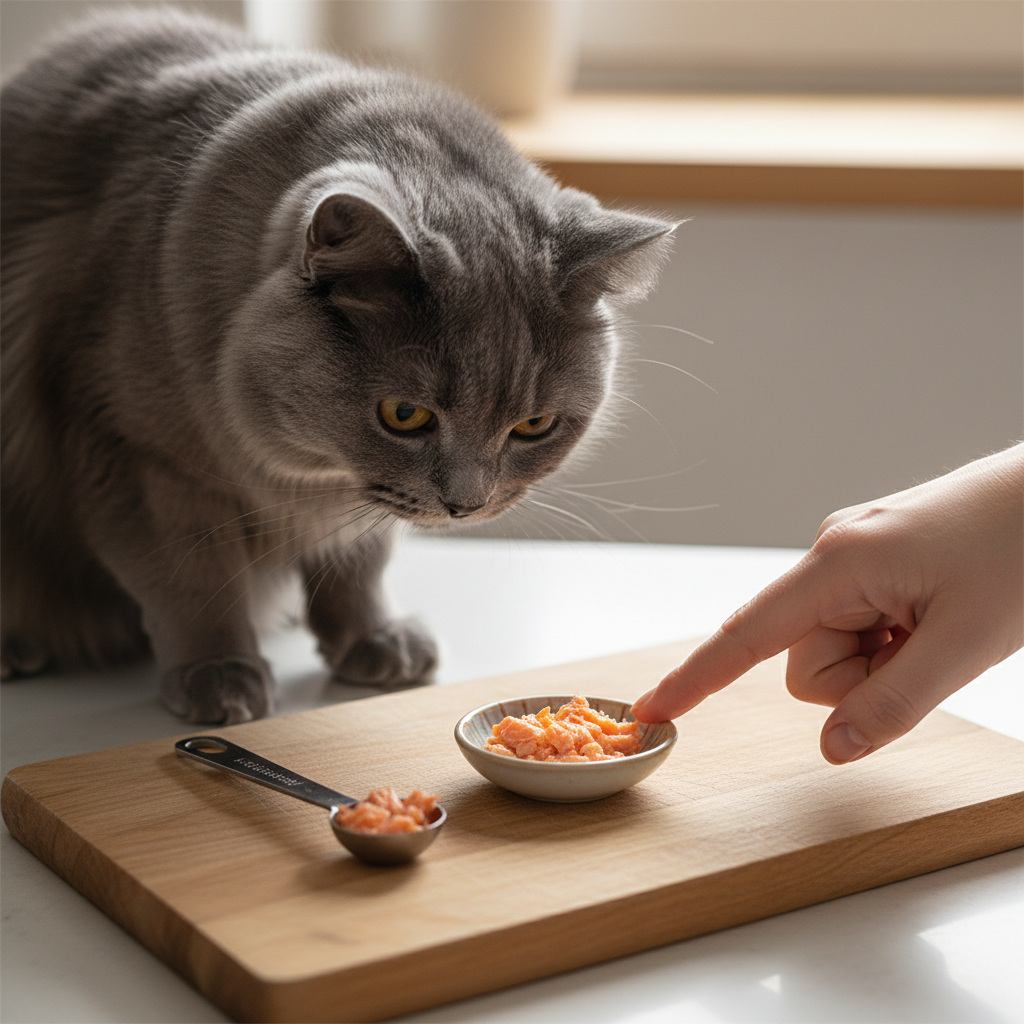
Key Takeaways
- Cooked, boneless salmon is safe for cats in small amounts as an occasional treat.
- Raw salmon is dangerous — it can harbor parasites (Neorickettsia helminthoeca) and harmful bacteria.
- Salmon should never replace a nutritionally complete cat food.
- Never feed salmon with bones, skin prepared with seasoning, or salmon cooked with garlic/onion.
- Salmon is high in omega-3 fatty acids, which support coat, joint, and heart health in cats.
Is Salmon Safe for Cats?
Salmon is a nutrient-rich fish that can be a healthy occasional treat for cats when it is cooked plain and deboned. Unlike tuna, salmon is lower in mercury (it’s a shorter-lived fish), which makes it a somewhat safer fish choice. Cats tend to love the rich flavor, and cooked salmon does provide valuable protein and omega-3 fatty acids relevant to feline health.
However, raw salmon is a significant concern. Raw or undercooked salmon (and other Pacific Northwest salmon species) can carry a fluke (Nanophyetus salmincola) that itself may be infected with Neorickettsia helminthoeca — the bacterium that causes “salmon poisoning disease.” This condition is more commonly associated with dogs but has been reported in cats. Symptoms include fever, vomiting, diarrhea, lethargy, and can be fatal if untreated. Cooking salmon thoroughly eliminates this risk entirely.
Beyond parasites, raw fish of any kind contains the enzyme thiaminase, which destroys thiamine (vitamin B1). Regular consumption of raw fish can lead to thiamine deficiency in cats, causing neurological symptoms. Always cook salmon fully — bake, steam, or poach it plain without oil or seasoning — before offering it to your cat.
Nutritional Value
Salmon is one of the richest natural sources of omega-3 fatty acids, particularly EPA (eicosapentaenoic acid) and DHA (docosahexaenoic acid). A 3-oz serving of cooked salmon provides approximately 22g of protein, 5–7g of fat (predominantly healthy unsaturated fats), and no carbohydrates. It also contains vitamin D, vitamin B12, selenium, and potassium. The protein is highly bioavailable, making salmon an excellent supplemental protein for cats. The omega-3 content is notably higher than in chicken or beef, offering specific anti-inflammatory benefits.
Benefits for Cats
The omega-3 fatty acids in cooked salmon can support a healthy, shiny coat and help reduce shedding. They also have anti-inflammatory properties that may benefit cats with arthritis or inflammatory conditions. DHA is important for brain and eye health, which is particularly relevant for kittens (though kittens should get these nutrients through a balanced formula, not plain salmon). Salmon’s high protein and palatability also make it useful for encouraging appetite in cats recovering from illness, under veterinary guidance.
Risks and What to Avoid
Raw salmon: Never feed raw or undercooked salmon. The risk of parasites and Neorickettsia infection is real. Always cook salmon to an internal temperature of 145°F (63°C).
Bones: Salmon contains many small pin bones that can be a choking hazard or cause internal injury. Always fillet and carefully check for bones before serving.
Seasonings: Smoked salmon and salmon prepared for human consumption often contains salt, dill, capers, garlic, or onion — all harmful to cats. Only plain, unseasoned, cooked salmon is appropriate.
Salmon skin: While not toxic, salmon skin is high in fat and may be seasoned. It’s best to avoid it or serve only a tiny piece of plain, unseasoned skin.
Overfeeding: Too much salmon — like too much of any single fish — can lead to an imbalanced diet, thiamine concerns, and potential vitamin D excess if fed in very large quantities over time.
Canned salmon: If using canned salmon, choose varieties packed in water with no salt added and no added seasoning. Check labels carefully.
How Much Can a Cat Eat?
| Cat Size | Max Serving | Frequency |
|---|---|---|
| Small (under 8 lbs) | ½–1 teaspoon (flaked) | Once or twice a week |
| Medium (8–12 lbs) | 1–2 teaspoons (flaked) | Once or twice a week |
| Large (12+ lbs) | 1 tablespoon (flaked) | Once or twice a week |
Salmon should be an occasional treat, making up no more than 10% of total daily calories. Rotate with other protein sources for dietary variety.
When to Call Your Vet
Seek veterinary care promptly if your cat ate raw salmon and develops any of the following within 5–7 days: fever, vomiting, diarrhea, swollen lymph nodes, loss of appetite, or extreme lethargy. These signs may indicate salmon poisoning disease, which can be fatal without treatment. Also contact your vet if your cat shows signs of a fish bone injury — pawing at the mouth, excessive drooling, gagging, or difficulty swallowing.