
Key Takeaways
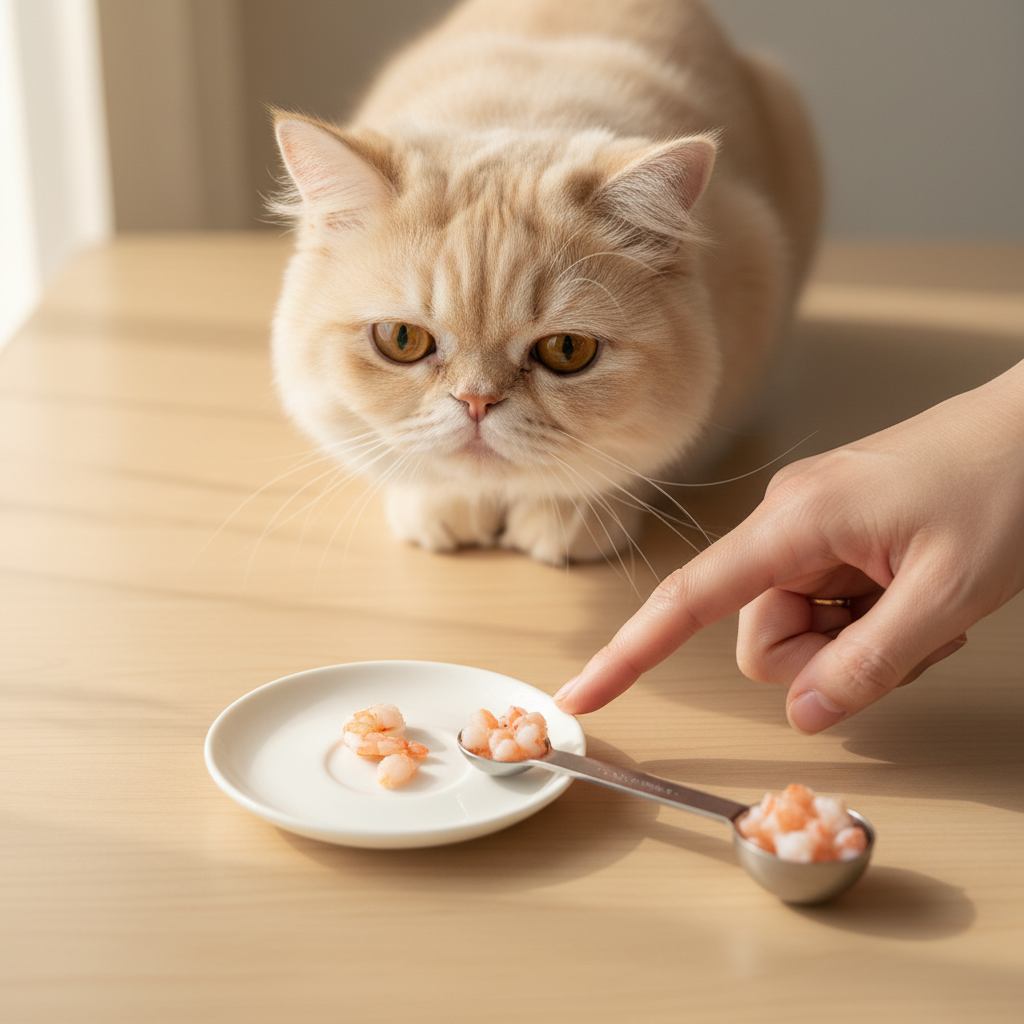
- Plain, fully cooked shrimp is safe for cats in small quantities as an occasional treat.
- Always remove the shell, tail, and digestive tract (the dark vein) before serving.
- Raw shrimp can carry bacteria and should not be fed to cats.
- Shrimp is high in cholesterol and sodium — limit serving size and frequency.
- Never offer shrimp cooked with garlic, onion, butter, or any seasoning.
Is Shrimp Safe for Cats?
Shrimp is not toxic to cats, and many cats are drawn to the strong fishy aroma. Plain, cooked shrimp can be a fun, low-calorie protein treat that most cats enjoy. It is not a common allergen in cats, and its protein content is appropriate for obligate carnivores. However, shrimp comes with a few important caveats that cat owners need to be aware of before offering it regularly.
Shrimp is relatively high in cholesterol and sodium, even in its natural state. While this is generally fine in small doses for healthy cats, cats with kidney disease, heart disease, or hypertension should avoid it or consume it only with veterinary approval. Additionally, shrimp must always be cooked — raw shellfish may harbor Vibrio bacteria, Listeria, or other pathogens that can cause gastrointestinal illness in cats.
Preparation matters enormously. Shrimp served to humans is commonly cooked in garlic butter, Old Bay seasoning, cocktail sauce, or other marinades — all of which are harmful or toxic to cats. Only offer plain shrimp that has been steamed or boiled without any added ingredients. The shell and tail should always be removed as they present a choking hazard and can irritate the digestive tract.
Nutritional Value
Shrimp is a lean seafood with a favorable nutritional profile for cats. A 1-oz serving of cooked shrimp contains approximately 6g of protein, under 1g of fat, and negligible carbohydrates. Shrimp provides iodine, selenium, phosphorus, and small amounts of omega-3 fatty acids. It also contains astaxanthin, a carotenoid antioxidant that may support immune function. However, shrimp is also notably high in cholesterol (~55mg per oz), which is worth keeping in mind for cats with cardiovascular concerns.
Benefits for Cats
As a treat, plain cooked shrimp offers high-quality protein with relatively few calories, which can be a good option for cats that need to watch their weight. The protein is highly digestible and biologically appropriate for a carnivore’s diet. The aroma and texture of shrimp are often appealing to cats, making it useful as a motivational reward during training or medication administration. Selenium in shrimp also plays a role in antioxidant defense and thyroid function.
Risks and What to Avoid
Raw shrimp: Raw shellfish can harbor harmful bacteria including Vibrio and Listeria. Always cook shrimp fully before offering it to your cat. Discard any shrimp that smells off or has been sitting out.
Shell and tail: Shrimp shells and tails are hard, can be sharp once dried, and pose a choking or obstruction risk. They may also irritate the digestive tract. Always peel shrimp completely before serving.
Digestive vein: The dark vein running along the back of the shrimp is the digestive tract. While not toxic, it’s best practice to devein shrimp before feeding it to your cat.
Seasonings and cooking methods: Garlic and onion are toxic to cats and commonly used in shrimp recipes. Butter and oil add unnecessary fat. Only serve plain, boiled or steamed shrimp.
High sodium: Even natural shrimp contains sodium, and some are treated with sodium-based preservatives. Excess sodium contributes to hypertension and kidney strain, especially problematic in older cats or those with renal disease.
Shellfish allergy: While uncommon in cats, food allergies are possible. If offering shrimp for the first time, start with a very small piece and watch for signs of allergic reaction: itching, facial swelling, vomiting, or diarrhea.
How Much Can a Cat Eat?
| Cat Size | Max Serving | Frequency |
|---|---|---|
| Small (under 8 lbs) | ½ small shrimp | Once or twice a week |
| Medium (8–12 lbs) | 1 small shrimp | Once or twice a week |
| Large (12+ lbs) | 1–2 small shrimp | Once or twice a week |
Shrimp should be a treat, not a meal. Limit to no more than 10% of your cat’s daily caloric intake. Consider lower frequency for cats with kidney disease or hypertension.
When to Call Your Vet
Call your veterinarian if your cat shows signs of digestive distress after eating shrimp: vomiting, diarrhea, excessive drooling, or lethargy. Seek emergency care if there is any sign of choking or throat obstruction (pawing at mouth, gagging, blue-tinged gums). Also contact your vet if your cat has a known health condition — kidney disease, heart disease, or hypertension — before adding shrimp to their diet.