
Key Takeaways
- Plain, unsweetened yogurt contains less lactose than milk due to bacterial fermentation.
- Many cats tolerate small amounts of plain yogurt without significant digestive upset.
- Never offer flavored yogurt — it commonly contains sugar, artificial sweeteners (xylitol), or toxic fruits (grapes).
- Greek yogurt, while lower in lactose, is higher in fat and protein — stick to very small amounts.
- Yogurt offers no essential nutrients to cats that aren’t already in their complete cat food.
Is Yogurt Safe for Cats?
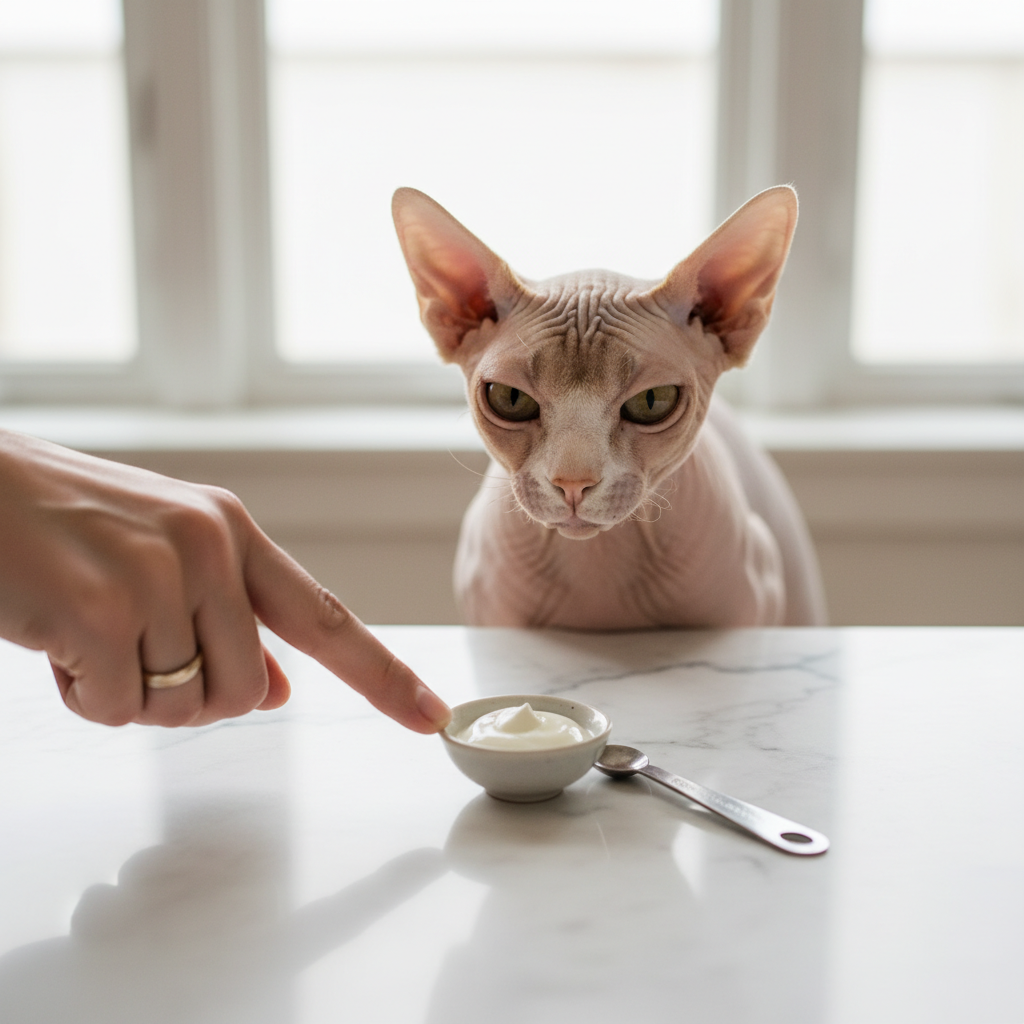
Plain yogurt sits in a nuanced middle ground. Unlike regular cow’s milk, yogurt undergoes bacterial fermentation, during which lactobacillus bacteria consume much of the lactose and convert it to lactic acid. The result is a dairy product with significantly less lactose than milk, which many lactose-intolerant cats can tolerate in small amounts without overt digestive distress. This is why plain yogurt is sometimes considered a more cat-tolerable dairy option compared to milk or soft cheese.
However, tolerance varies greatly between individual cats. Some cats will handle a teaspoon of plain yogurt without any issue; others will develop soft stools or gas even from that small amount. The safest approach is to offer a tiny amount initially, observe for 24 hours, and only continue if there are no adverse effects.
The word “plain” cannot be emphasized enough. Flavored yogurts — strawberry, vanilla, honey, peach — are formulated for human palates and contain high amounts of added sugar, artificial sweeteners, and artificial flavorings. Xylitol, a common sweetener in “light” or “low-sugar” yogurts, is toxic to cats. Some fruit yogurts contain grapes or raisins, which are also toxic to cats. Always read labels carefully and only use completely plain, unsweetened yogurt with live cultures and no additives.
Nutritional Value
Plain whole-milk yogurt provides protein (~5–6g per 3oz serving), calcium, phosphorus, and beneficial probiotics (live lactobacillus cultures). Greek yogurt is higher in protein (up to 10g per 3oz) due to the straining process that removes additional whey. The live cultures in yogurt may offer some probiotic benefits, potentially supporting gut microbiome health, though research on this in cats is limited. Cats consuming a nutritionally complete cat food already meet their calcium and protein needs — yogurt is supplemental at best.
Benefits for Cats
The main potential benefit of plain yogurt for cats is the probiotic content. The live lactobacillus cultures in yogurt may help maintain healthy gut bacteria, which could support digestive health and immune function. Some veterinarians suggest plain yogurt as a gentle probiotic food for cats with mild digestive upset, though commercially formulated feline probiotic products (like Purina FortiFlora) are generally preferred for this purpose as they contain specific strains and dosages appropriate for cats. Yogurt can also serve as an occasional palatable treat or a way to encourage hydration through added moisture in the diet.
Risks and What to Avoid
Residual lactose: Even though yogurt has less lactose than milk, it still contains some. Cats with significant lactose intolerance may still experience gas, diarrhea, or soft stools. Monitor carefully after first offering.
Added sugar: Plain yogurt is appropriate; flavored yogurt is not. High sugar intake can contribute to dental disease, obesity, and diabetes in cats.
Xylitol: Certain low-fat or “light” yogurt brands contain xylitol as a sweetener. Xylitol is toxic to cats and can cause hypoglycemia (low blood sugar), seizures, and liver failure. Always check the ingredient list. If you see xylitol, sorbitol, or any artificial sweetener listed, do not use that yogurt.
Fruit and toppings: Yogurts with fruit added may contain grapes or raisins, which are toxic to cats. Vanilla extract in vanilla-flavored yogurt is alcohol-based and harmful. Only plain yogurt is safe.
High fat: Full-fat and especially Greek yogurt can contribute to excessive caloric intake and fat consumption. Keep portions very small, especially for overweight cats or those with pancreatitis.
How Much Can a Cat Eat?
| Cat Size | Max Serving | Frequency |
|---|---|---|
| Small (under 8 lbs) | ½ teaspoon plain yogurt | 2–3 times per week at most |
| Medium (8–12 lbs) | 1 teaspoon plain yogurt | 2–3 times per week at most |
| Large (12+ lbs) | 1–2 teaspoons plain yogurt | 2–3 times per week at most |
Only plain, unsweetened whole-milk or Greek yogurt with live cultures. No flavors, no sweeteners, no fruit. Start with a very small amount to test individual tolerance.
When to Call Your Vet
Contact your vet if your cat develops persistent diarrhea, vomiting, or abdominal bloating after eating yogurt. If your cat consumed flavored yogurt containing xylitol or an unknown sweetener, contact your vet or the ASPCA Animal Poison Control Center (888-426-4435) immediately — xylitol toxicity can develop rapidly.