
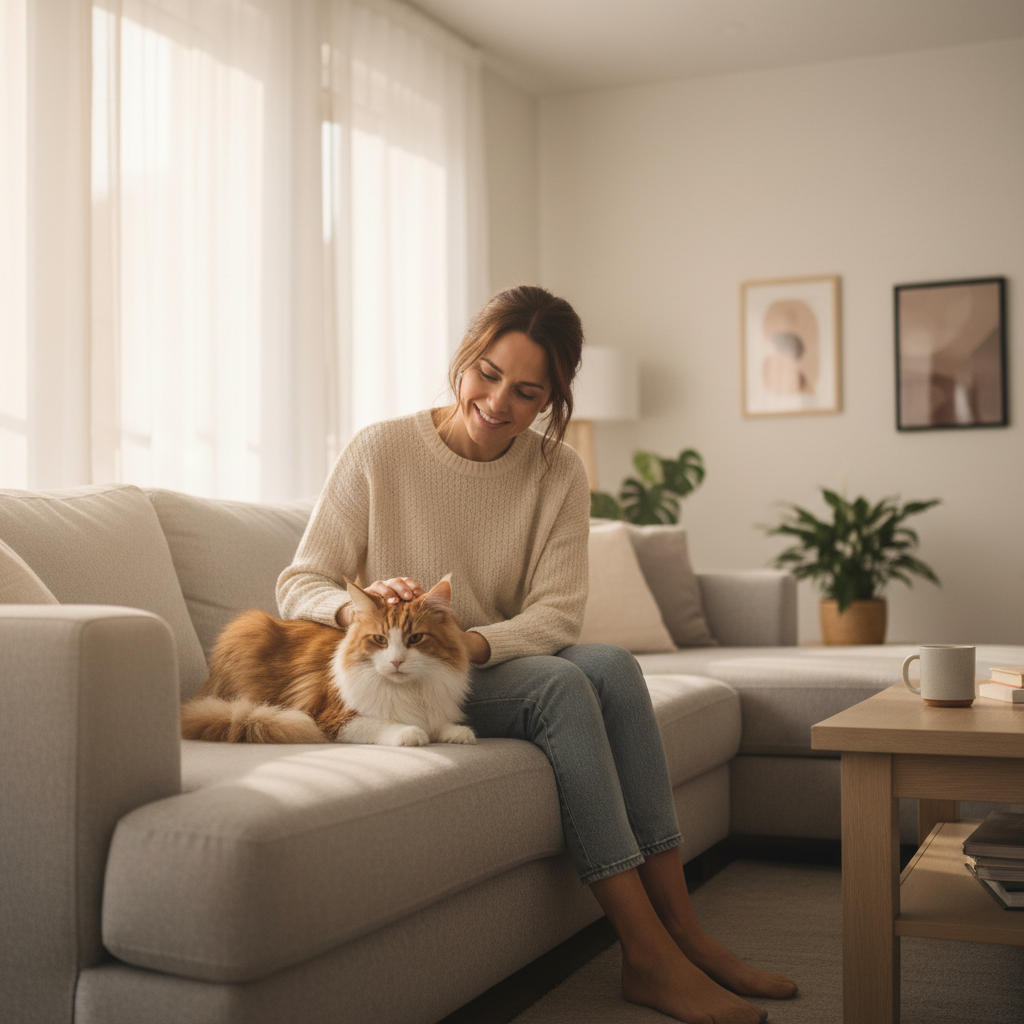
Cats are mysterious, independent, and endlessly fascinating — but they’re also more demanding than their reputation suggests. The idea that cats “take care of themselves” is one of the most persistent myths in pet ownership, and it leads to countless preventable health problems and behavioral issues every year.
If you’re a new cat owner or thinking about getting your first cat, this comprehensive guide covers everything you need to know: nutrition, housing, enrichment, health, behavior, and the vet schedule that keeps cats thriving long-term. Let’s build a life your cat will actually enjoy.
Understanding Cat Biology: Why Cats Are Different
Obligate Carnivores
Unlike dogs, cats are obligate carnivores — they require nutrients found only in animal tissue. This biological reality shapes everything about how you care for them:
- Cats cannot synthesize taurine (found in meat) — deficiency causes heart disease and blindness
- They require arachidonic acid from animal fat
- They need vitamin A from animal sources (they cannot convert plant beta-carotene)
- They have minimal ability to process plant carbohydrates
This means: a vegetarian diet is not appropriate for cats. Ever. Full stop.
Water Intake and Kidney Health
Cats evolved in arid environments and have a naturally low thirst drive. In the wild, they get most of their water from prey. This means dry kibble-only diets often leave cats chronically under-hydrated, increasing the risk of urinary tract issues and kidney disease — which are among the top killers of domestic cats.
Solutions:
- Provide multiple fresh water sources (cats prefer running water — cat fountains are popular for good reason)
- Incorporate wet food into the diet (at least some meals)
- Place water bowls away from food (instinct says water near a kill may be contaminated)
Cat Nutrition: What to Feed Your Cat
Wet vs. Dry Food: The Ongoing Debate
| Factor | Wet Food | Dry Food |
|---|---|---|
| Hydration | ✅ 70-80% moisture | ❌ ~10% moisture |
| Protein content | ✅ Usually higher (dry matter basis) | ⚠️ Varies; often diluted by carbs |
| Dental benefits | ❌ Minimal | ⚠️ Slight; not a substitute for dental care |
| Cost | ❌ More expensive | ✅ More economical |
| Convenience | ⚠️ Needs refrigeration after opening | ✅ Easy to store and portion |
| Weight management | ✅ Lower calorie density | ❌ Easy to overfeed |
| Urinary health | ✅ Helps prevent FLUTD | ❌ Dry-only diets increase risk |
Best approach: A combination diet — high-quality wet food as the primary meal, with dry food supplemented if desired. This balances hydration, nutrition, and practicality.
Reading a Cat Food Label
Look for:
- Named protein first — “chicken,” “salmon,” “turkey” (not “meat” or “poultry”)
- AAFCO complete and balanced statement — ensures nutritional adequacy for your cat’s life stage
- Minimal carbohydrates — corn, wheat, and rice are fillers cats don’t need much of
- Taurine listed — essential amino acid that must be supplemented in commercial diets
- No artificial colors or excessive preservatives
How Much to Feed
Obesity is the number one preventable health problem in cats. Most indoor cats need around 200-250 calories per day, depending on size and activity level. Follow feeding guidelines on your food’s label as a starting point, then adjust based on your cat’s body condition:
- You should be able to feel the ribs without pressing hard
- There should be a visible waist when viewed from above
- The abdomen should not sag when viewed from the side
Free-feeding (leaving food out all day) is a major contributor to feline obesity. Scheduled meals are better for weight management.
Indoor vs. Outdoor Cats: Making the Decision
The Case for Keeping Cats Indoors
Indoor cats live significantly longer — on average 12-18 years vs. 2-5 years for outdoor cats. Outdoor hazards include:
- Traffic accidents
- Predators (larger dogs, wildlife, birds of prey)
- Infectious diseases (FeLV, FIV, panleukopenia)
- Toxin exposure (antifreeze, pesticides, rodenticides)
- Theft or injury from other people
- Fighting wounds and abscesses
Compromises That Work
If your cat has been outdoors or craves the outside world:
- Catios — enclosed outdoor spaces that give cats fresh air and nature without the dangers
- Leash walking — yes, cats can be leash trained with patience
- Supervised outdoor time in a secured area
- Window perches and bird feeders outside windows — the “cat TV” approach
Setting Up Your Home for a Cat
Litter Box: The Most Important Setup Decision
Litter box problems are the most common reason cats are surrendered to shelters. Getting setup right from the start prevents 90% of issues:
- Number of boxes: One per cat + one extra (in a 3-cat home: 4 boxes)
- Size: The box should be 1.5x the length of your cat; most commercial boxes are too small
- Location: Quiet, private, accessible 24/7 — not next to food or water
- Type of litter: Most cats prefer unscented, fine-grain clumping litter
- Depth: 2-3 inches of litter
- Cleaning: Scoop daily; full clean weekly
- Covered vs. uncovered: Many cats prefer uncovered boxes — the hood traps odors they dislike
Vertical Space and Climbing
Cats are vertical animals. They feel safer when they can observe from height. Provide:
- Cat trees or shelving systems (floor to ceiling if possible)
- Perches near windows
- Multiple levels in different rooms
Scratching Posts
Scratching is a natural, necessary behavior — it’s not destructive, it’s normal. If your cat is scratching furniture, the solution is providing better alternatives, not punishment:
- Offer both vertical and horizontal scratching surfaces
- Place scratchers near sleeping areas and high-traffic zones
- Try different materials (sisal, cardboard, carpet) to find what your cat prefers
- Make sure scratchers are tall enough for a full body stretch
Cat Enrichment and Mental Stimulation
Indoor cats that lack stimulation become bored, overweight, and behaviorally problematic. A bored cat may over-groom, become aggressive, or develop destructive habits. Enrichment prevents this.
Play
Cats need daily interactive play that mimics hunting — stalking, chasing, pouncing, and catching. This means:
- Two 10-15 minute interactive play sessions per day (wand toys, feather teasers)
- Rotating toy selection so novelty is maintained
- Ending sessions with a “catch” — give your cat a toy to bite and hold when the game ends, mimicking a successful hunt
- Puzzle feeders and food-dispensing toys for solo stimulation
For detailed enrichment ideas that don’t require expensive equipment, see our guide to indoor cat enrichment.
Environmental Enrichment
- Bird feeders outside windows — hours of entertainment
- Cat grass and catnip — safe plants for exploration and play
- Paper bags and boxes — cats love exploring new objects
- Cat-safe DVDs or YouTube content — birds, fish, and small animals on screen
- Foraging feeders — hide kibble around the house to encourage natural hunting behavior
Understanding Cat Behavior
Body Language Basics
| Signal | What It Means |
|---|---|
| Slow blink | Trust and affection — return the slow blink! |
| Tail up, quivering | Excited and happy to see you |
| Belly exposed | Trust — but NOT always an invitation to touch (many cats bite) |
| Ears flat, sideways (“airplane ears”) | Stressed, frightened, or aggressive — back off |
| Puffed tail | Scared or highly agitated |
| Kneading (“making biscuits”) | Contentment — behavior from kittenhood |
| Chattering at birds/prey | Predatory excitement; completely normal |
| Head bunting (bumping) | Affection and claiming you as “theirs” |
Common “Problem” Behaviors Explained
Nighttime zooomies: Cats are crepuscular (most active at dawn and dusk). Engage in active play before bed to reduce nighttime racing.
Knocking things off surfaces: Attention-seeking behavior and prey practice. Provide appropriate outlets — puzzle toys and interactive play.
Bringing “gifts”: Cats that hunt bring prey home as a form of sharing. This is a compliment, even if an unwelcome one.
Aggression during petting: Many cats have a “petting threshold” — they enjoy affection up to a point, then become overstimulated. Watch for tail lashing and skin twitching as warning signs.
Cat Health: Common Issues to Know
Routine Preventive Care
| Care Item | Frequency |
|---|---|
| Annual wellness exam | Yearly (twice yearly for seniors 7+) |
| FVRCP vaccine (respiratory + panleukopenia) | Kitten series, then every 3 years |
| Rabies vaccine | Per local regulations (every 1-3 years) |
| FeLV vaccine (for at-risk cats) | Annually for outdoor or multi-cat households |
| Flea/tick/heartworm prevention | Monthly (even for indoor cats) |
| Dental cleaning | As recommended by vet (often every 1-3 years) |
| Bloodwork panel | Annually for seniors; every 2-3 years for adults |
Warning Signs That Need Vet Attention
Cats are masters at hiding illness — by the time they show obvious symptoms, a condition may have progressed significantly. Contact your vet if you notice:
- Straining in the litter box or crying out while urinating (urinary emergency, especially in male cats)
- Not using the litter box when they previously did
- Significant changes in appetite or water intake
- Sudden weight loss or gain
- Vomiting more than once or twice a week
- Lethargy lasting more than 24 hours
- Breathing with mouth open (feline emergency)
- Any lumps or swellings
Most Common Cat Health Issues
Urinary tract disease (FLUTD): Especially common in male cats and those fed dry-food-only diets. Symptoms: frequent urination, straining, blood in urine. Male cats that can’t urinate are in life-threatening emergencies — go to a vet immediately.
Kidney disease (CKD): The leading cause of death in senior cats. Early detection through regular bloodwork allows for management. Increased thirst and urination are early signs.
Dental disease: Over 70% of cats show dental disease signs by age 3. Symptoms: bad breath, dropping food, drooling, pawing at mouth.
Hyperthyroidism: Common in cats over 10. Symptoms: weight loss despite good appetite, increased vocalization, hyperactivity.
Diabetes: Related to obesity and high-carb diets. Symptoms: increased thirst, urination, weight loss, weakness in hind legs.
Introducing a New Cat to Your Home
The Slow Introduction Method
- Set up a “base camp” room — one room with all essentials (litter, food, water, bed, toys). Keep the new cat here initially.
- Scent swapping — exchange bedding between the new cat and existing pets before visual introductions
- Door feeding — feed cats on opposite sides of a closed door so they associate each other’s scent with positive experiences
- Visual introduction through a crack or baby gate — brief, positive experiences, then separate again
- Supervised shared space — only when both cats appear calm and comfortable
This process typically takes 1-4 weeks. Rushing it causes lasting stress and territorial conflict.
Grooming Your Cat
Cats are excellent self-groomers, but they still need human help:
- Brushing: Short-haired cats benefit from weekly brushing; long-haired cats need daily brushing to prevent mats. Start early and make it a positive experience.
- Nail trimming: Every 2-3 weeks. Provide adequate scratching posts and the need may be less frequent.
- Ear cleaning: Check monthly; clean if there’s visible debris or wax buildup.
- Bathing: Most cats rarely need baths. When necessary, use cat-specific shampoo and warm water.
- Teeth brushing: Ideally 2-3 times per week using cat-specific toothpaste. Start slow — just let them taste it at first.
Multi-Cat Households: Managing Resources
Most cat conflicts in multi-cat homes come down to resource competition. Prevent issues by:
- Multiple feeding stations so no cat controls access to food
- Litter boxes in multiple locations — a bully cat can block access to a single box
- Multiple water sources on different levels
- Enough vertical space so all cats can find high perches
- Multiple sleeping spots
Final Thoughts: Building a Great Life with Your Cat
Cats aren’t low-maintenance — they’re just different-maintenance than dogs. The investment you make in their environment, nutrition, enrichment, and preventive health pays off in decades of companionship from one of nature’s most fascinating animals.
The keys to a thriving indoor cat:
- High-quality protein-forward diet with adequate moisture
- A litter box setup that meets their behavioral needs
- Daily play and consistent enrichment
- Annual vet visits and prompt attention to health changes
- Vertical space, scratching options, and a safe indoor environment
For more enrichment inspiration, check out our 7 easy indoor cat enrichment ideas. And if you’re still deciding on your first cat or thinking about a second, take your time — the right match makes all the difference.
Choosing the Right Cat for Your Lifestyle
If you are still in the process of selecting a cat, matching the cat’s personality and needs to your lifestyle makes an enormous difference in long-term happiness for both of you:
| Lifestyle | Good Match | Consider Avoiding |
|---|---|---|
| Busy, often away from home | Bonded pair (cats with companionship), independent breeds (British Shorthair, Russian Blue) | Highly social breeds needing constant interaction (Siamese, Burmese) |
| Work from home, lots of time with pets | Social breeds (Ragdoll, Maine Coon, Siamese), kittens who need engagement | Extremely independent cats that may find constant presence stressful |
| Apartment living | Calm breeds (Persian, Ragdoll), mature cats (3+ years) | Very high-energy breeds (Abyssinian, Bengal) without significant enrichment commitment |
| Families with young children | Social, tolerant breeds (Maine Coon, Ragdoll); mature cats with known history | Easily stressed cats; cats with unknown histories around children |
| First-time cat owner | Domestic shorthair/longhair from rescue (often calmer and more adaptable) | Highly demanding breeds without research (Siamese, Bengal, Savannah) |
Kitten vs. Adult Cat: Which Is Right for You?
Kittens: Adorable, highly trainable, and easy to socialize — but they require significant time investment, are more destructive, and their adult personality is not yet established. If you work long hours, two kittens together fare much better than one alone.
Adult cats: What you see is largely what you get — personality is established, and most are already litter trained. Adult cats from rescues are often overlooked but make wonderful companions with much lower maintenance demand.
Senior cats (7+ years): Often the most overlooked shelter cats, and frequently the most rewarding to adopt. Generally calmer, well-trained, and deeply appreciative of a quiet, loving home.
Cat Nutrition Through Life Stages
A cat’s nutritional needs change significantly across their lifespan:
| Life Stage | Age | Key Nutritional Focus |
|---|---|---|
| Kitten | 0-12 months | High protein and fat for growth; DHA for brain development; kitten-formulated food required |
| Young adult | 1-6 years | Maintenance calories; weight monitoring; urinary health support |
| Mature adult | 7-10 years | Dental health; joint support consideration; adjust calories for decreasing activity |
| Senior | 11-14 years | Digestibility; kidney-supportive nutrition; phosphorus restriction if kidney disease present |
| Geriatric | 15+ years | Highly digestible protein; often higher calorie needs (muscle wasting is common); regular monitoring |
Building a Bond with a Shy or Fearful Cat
Many cats — especially rescues or those with unknown histories — arrive fearful or withdrawn. Building trust with a shy cat requires patience and a specific approach:
- Give them control: Do not force interaction. Let the cat approach on their terms. Forcing contact increases fear.
- Use scent: Sit near the cat regularly and let them smell you. Offer a hand to sniff — do not reach out to pet.
- Use food: High-value treats tossed toward the cat (not handed) build positive associations with your presence.
- Make yourself small: Sit or lie on the floor. Direct eye contact is threatening — use slow blinks and look away.
- Respect the process: Some cats take days; some take months. Each positive interaction builds the foundation for lasting trust.
The reward for patience is remarkable — a cat that chose to trust you becomes a deeply bonded, affectionate companion. For more enrichment strategies to help shy cats build confidence in their environment, see our indoor cat enrichment guide.