
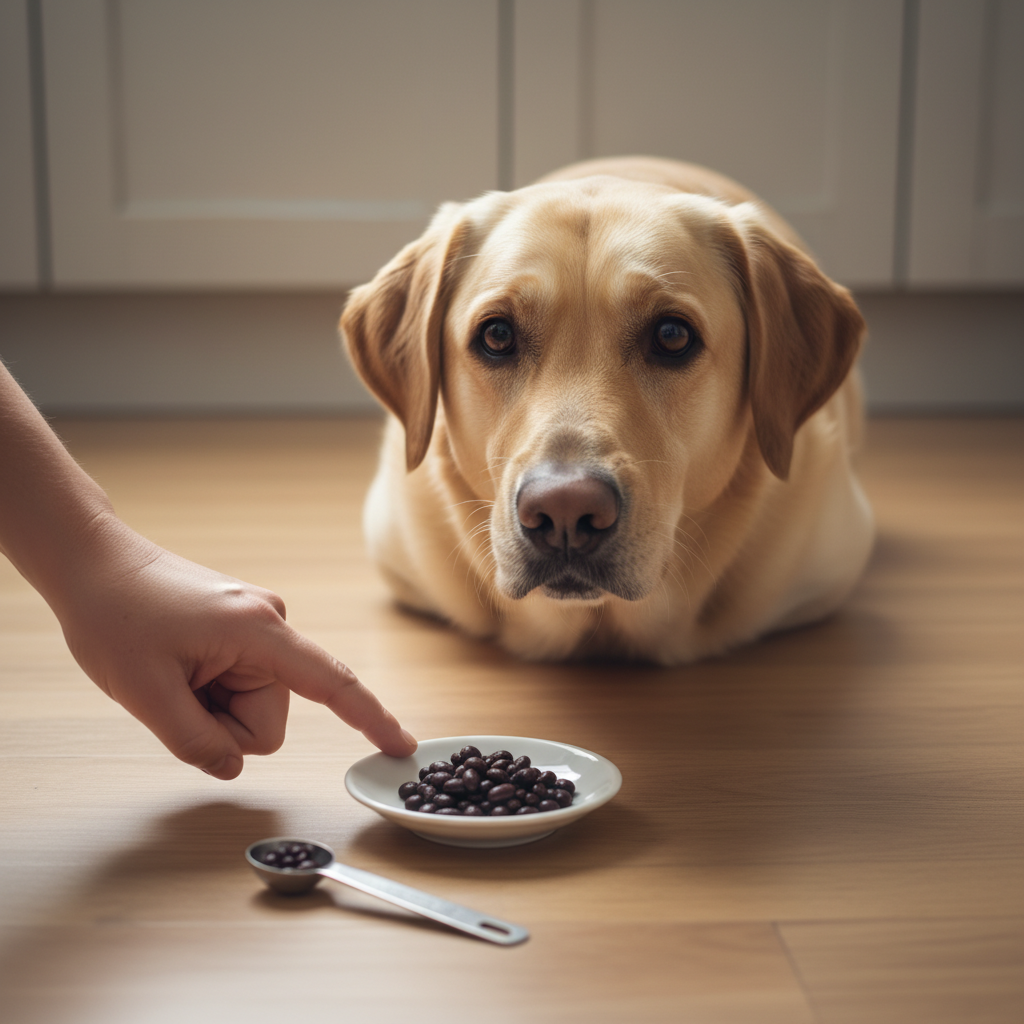
Key Takeaways
- Cooked, plain black beans are safe for dogs
- Black beans provide protein, fiber, iron, and antioxidants
- Never feed raw or undercooked black beans
- Avoid canned beans with added salt, or rinse thoroughly
- Seasonings like garlic and onion are toxic to dogs
Is Black Beans Safe for Dogs?
Cooked black beans are safe for dogs when served plain and in moderation. These legumes are a staple in many cuisines and offer nutritional benefits that can complement a dog’s primary diet. Like other beans, they should be considered a supplemental treat rather than a dietary staple.
According to veterinary nutritionists, cooked legumes can provide dogs with plant-based protein and fiber. However, dogs are omnivores with specific amino acid requirements best met through animal proteins. Black beans should supplement, not replace, meat in your dog’s diet.
Raw or undercooked black beans contain phytohemagglutinin, a compound that can cause digestive upset and interfere with nutrient absorption. Always ensure beans are thoroughly cooked until soft.
Nutritional Value
Cooked black beans offer several nutrients beneficial for dogs:
- Protein: About 7-8 grams per half-cup — supports tissue repair
- Fiber: 7-8 grams per half-cup — promotes digestive health
- Iron: Supports oxygen transport and energy metabolism
- Folate: Essential for cell division and DNA synthesis
- Magnesium: Important for muscle and nerve function
- Anthocyanins: Antioxidants that give black beans their color and support cellular health
Benefits
When fed appropriately, black beans can offer:
- Digestive support: Fiber promotes healthy gut bacteria and regular bowel movements
- Satiety: The protein-fiber combination helps dogs feel full
- Blood sugar regulation: Low glycemic index makes them suitable for diabetic dogs in moderation
- Antioxidant protection: Anthocyanins combat oxidative stress
Risks and What to Avoid
Choking hazard: Whole beans can block airways, especially in small dogs. Mash before serving.
Digestive upset: Sudden introduction or large quantities can cause gas, bloating, or diarrhea.
Sodium content: Canned beans are often high in salt. Rinse thoroughly or choose low-sodium varieties.
Toxic seasonings: Many bean dishes contain garlic, onions, or spices that are dangerous for dogs. Only feed plain beans.
Raw beans: These contain compounds that can cause nausea, vomiting, and digestive issues. Always cook thoroughly.
How Much Can a Dog Eat?
| Size | Max Serving | Frequency |
|---|---|---|
| Small (under 10 lbs) | 1-2 teaspoons mashed | Once per week |
| Medium (10–50 lbs) | 1-2 tablespoons | 1-2 times per week |
| Large (50+ lbs) | 2-3 tablespoons | 1-2 times per week |
When to Call Your Vet
Contact your veterinarian if your dog experiences vomiting, diarrhea, bloating, or signs of choking after eating black beans. ASPCA Poison Control: 888-426-4435.