
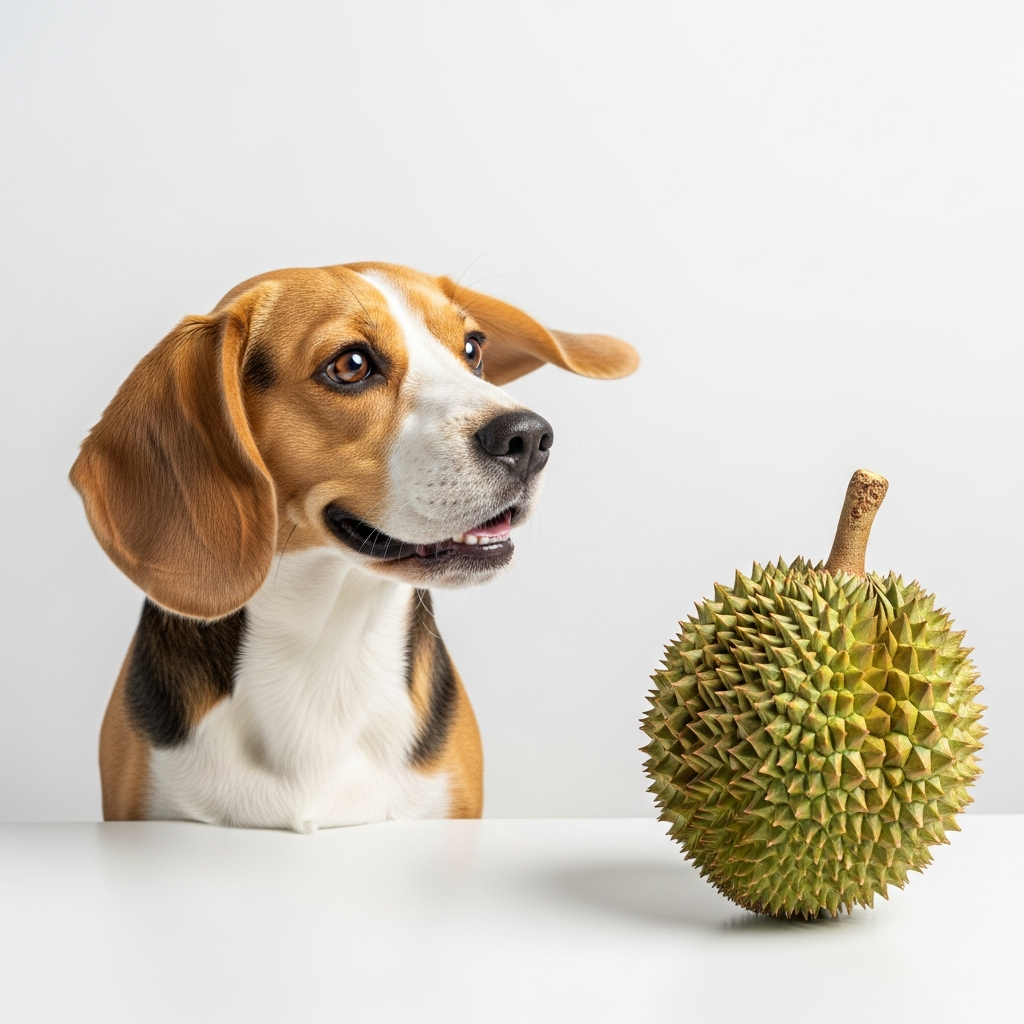
Durian, known as the “king of fruits” in Southeast Asia, is famous for its strong aroma and distinctive taste. Many dog owners who enjoy this controversial fruit may wonder: can dogs eat durian? This comprehensive guide explores whether it’s safe to share durian with your canine companion.
Key Takeaways
- Durian flesh is non-toxic to dogs but should be given sparingly
- Never feed durian seeds – they contain cyanide compounds
- High fat and sugar content can cause digestive issues
- The strong smell may be off-putting to many dogs
- Monitor for allergic reactions when introducing durian
Is Durian Safe for Dogs?
The flesh of ripe durian is not inherently toxic to dogs, but it’s far from an ideal treat. Unlike some fruits that offer clear nutritional benefits with minimal risks, durian presents several concerns that pet owners should carefully consider. For guidance on balanced canine nutrition, visit our dog nutrition hub.
The primary safety concerns with durian are the seeds, which contain cyanogenic glycosides that can release cyanide when chewed or digested. Additionally, durian’s high fat content (approximately 5g per 100g) and significant sugar levels make it a poor choice for regular consumption, especially for dogs prone to pancreatitis or obesity.
Durian Nutrition Facts
| Nutrient | Amount (per 100g) | Considerations for Dogs |
|---|---|---|
| Calories | 147 kcal | High – limit portions |
| Fat | 5.3 g | High – pancreatitis risk |
| Sugar | 6.8 g | High – diabetes/obesity concern |
| Vitamin C | 19.7 mg | Immune support |
| Potassium | 436 mg | Good for muscle function |
| Dietary Fiber | 3.8 g | Moderate amount |
Benefits of Durian for Dogs
While durian is not recommended as a regular treat, it does contain some nutrients that could theoretically benefit dogs:
1. Potassium Content
Durian is exceptionally high in potassium, which supports proper muscle function, nerve signaling, and hydration balance. However, dogs typically get adequate potassium from their regular diet.
2. B Vitamins
Durian contains several B vitamins including B6, thiamin, and riboflavin, which support energy metabolism and nervous system function. Learn more about canine health requirements in our comprehensive guide.
3. Vitamin C
While dogs produce their own vitamin C, the additional antioxidant support from durian could benefit older dogs or those under stress.
Risks and What to Avoid
Toxic Seeds
The most serious risk when feeding durian is the seed. Durian seeds contain cyanogenic glycosides that can release cyanide when chewed or digested. Symptoms of cyanide poisoning include difficulty breathing, dilated pupils, and shock. Never allow your dog to access durian seeds.
High Fat Content
With over 5% fat content, durian can trigger pancreatitis in susceptible dogs. This painful and potentially life-threatening condition causes inflammation of the pancreas and requires immediate veterinary attention.
Sugar Overload
The natural sugars in durian can cause blood sugar spikes, making it unsuitable for diabetic dogs or those prone to obesity. Regular consumption can also contribute to dental problems.
Safe Serving Sizes
| Dog Size | Maximum Portion | Frequency |
|---|---|---|
| Small (under 25 lbs) | 1/2 teaspoon | Rarely (monthly) |
| Medium (25-60 lbs) | 1 teaspoon | Rarely (monthly) |
| Large (over 60 lbs) | 1-2 teaspoons | Rarely (monthly) |
When Can Dogs Eat Durian?
Safe Scenarios:
- Only the flesh, completely seed-free
- As a very rare occasional treat
- For healthy adult dogs without weight issues
- When introduced gradually in tiny amounts
When to Avoid:
- Any access to seeds (toxic)
- Dogs with pancreatitis history
- Overweight or diabetic dogs
- Dogs with sensitive stomachs
- Puppies under 6 months
When to Call Your Veterinarian
Seek immediate veterinary care if your dog:
- Consumes any part of a durian seed
- Shows signs of distress after eating durian
- Experiences vomiting or diarrhea lasting more than 12 hours
- Shows symptoms of pancreatitis: abdominal pain, vomiting, lethargy
- Has difficulty breathing or shows signs of cyanide poisoning
For more safe food options for your dog, check our complete guide to foods dogs can eat.
Frequently Asked Questions
Can dogs eat durian seeds?
Absolutely not. Durian seeds contain cyanogenic compounds that can release cyanide when chewed or digested. This can cause serious poisoning and requires immediate veterinary attention.
Why does my dog avoid durian?
Many dogs are naturally repelled by durian’s strong smell. This is actually a protective instinct, as the fruit’s high fat and sugar content makes it unsuitable for canine consumption.
Is frozen durian safer for dogs?
Freezing doesn’t change the nutritional composition or risks. While frozen durian flesh may be easier to portion, the same cautions about fat, sugar, and seed toxicity apply.
Can puppies eat durian?
No, puppies should not eat durian. Their developing digestive systems are particularly sensitive to high-fat foods, and the risk of pancreatitis is greater in young dogs.
What should I do if my dog eats durian accidentally?
If your dog eats a small amount of durian flesh, monitor them for digestive upset. If they consume any seeds or show signs of distress, contact your veterinarian immediately.