
Key Takeaways
- Plain, cooked crab meat is safe for cats as an occasional treat
- Good source of protein, vitamin B12, and zinc
- Imitation crab is not recommended due to additives
- Shells must be completely removed — choking hazard
- Seafood allergies can occur in cats — watch for reactions
Is Crab Safe for Cats?
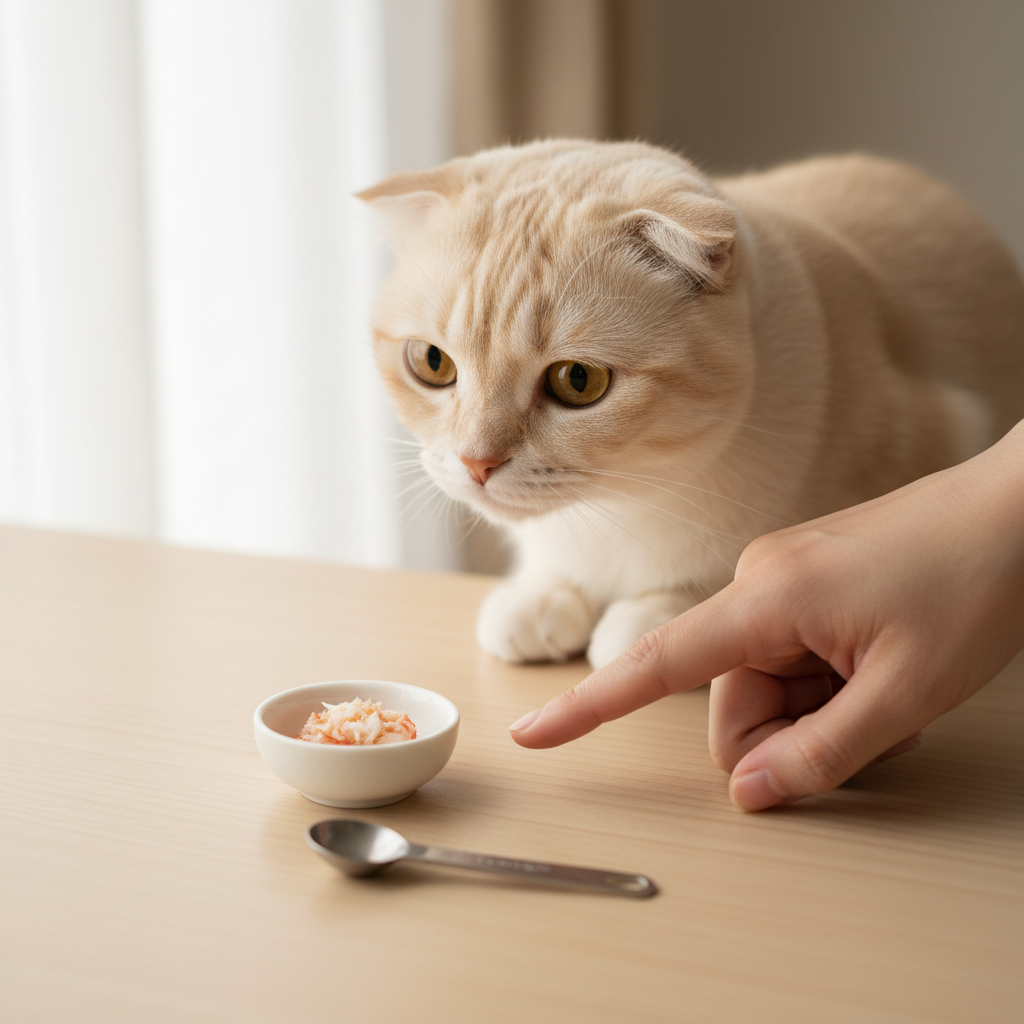
Cooked, plain crab meat is safe for cats when fed as an occasional treat. This shellfish provides lean protein and several nutrients that can benefit feline health. Many cats enjoy the taste and texture of crab, making it a useful high-value treat or food topper for finicky eaters who need encouragement to eat.
However, crab should be fed cautiously. Shells pose a serious choking and obstruction hazard and must be completely removed before serving. Imitation crab (surimi) contains fillers, starches, and preservatives that offer no nutritional value and may cause digestive upset. Additionally, some cats may be allergic to shellfish.
As with all treats, crab should complement, not replace, a complete and balanced cat food diet. The natural sodium content of crab means it should be fed sparingly, especially for cats with kidney issues.
Nutritional Value
Crab meat provides:
- Protein: Lean, high-quality protein for muscle maintenance
- Vitamin B12: Essential for neurological function and energy
- Zinc: Immune support and skin health
- Selenium: Antioxidant mineral protecting cells from damage
- Omega-3 fatty acids: Anti-inflammatory benefits
- Copper: Supports iron absorption and red blood cell formation
Benefits
- Lean protein: Lower fat than many meat options, good for weight management
- High palatability: Appeals to many cats, even picky eaters
- Nutrient variety: Provides minerals not found in land meats
- Low calorie: Can be a good treat for overweight cats in moderation
Risks and What to Avoid
Shells: Crab shells are sharp and can cause choking, mouth injuries, or intestinal blockage. Remove all shell pieces thoroughly.
Seasonings: Crab cakes, crab dip, and seasoned crab contain garlic, onions, salt, and other dangerous ingredients for cats.
Imitation crab: Surimi contains starches, fillers, artificial flavors, and preservatives. Not recommended for cats.
Sodium: Crab naturally contains sodium. Rinse canned crab or limit portions, especially for cats with kidney disease.
Allergies: Some cats are allergic to shellfish. Watch for itching, vomiting, diarrhea, or respiratory distress.
Cholesterol: Crab is relatively high in cholesterol, which may be a concern for cats with certain health conditions.
How to Prepare Crab for Cats
Follow these steps to safely prepare crab for your cat:
- Choose plain, cooked crab meat
- Check carefully for and remove all shell fragments
- Shred or flake the meat into small pieces
- Serve plain without butter, seasonings, or sauces
- Start with a very small amount to test for allergies
- Refrigerate leftovers and use within 1-2 days
How Much Can a Cat Eat?
| Size | Max Serving | Frequency |
|---|---|---|
| Small (under 8 lbs) | 1 teaspoon | Once per week |
| Medium (8–12 lbs) | 1-2 teaspoons | Once per week |
| Large (12+ lbs) | 1 tablespoon | Once per week |
When to Call Your Vet
Contact your veterinarian if your cat shows signs of allergic reaction (itching, swelling, difficulty breathing) or if your cat eats crab shells. ASPCA Poison Control: 888-426-4435.