
Key Takeaways
- Plain, cooked lamb is safe and nutritious for cats
- Good source of protein, iron, B vitamins, and zinc
- Novel protein useful for cats with food allergies
- Trim excess fat and cook thoroughly
- Avoid seasoned, breaded, or processed lamb products
Is Lamb Safe for Cats?
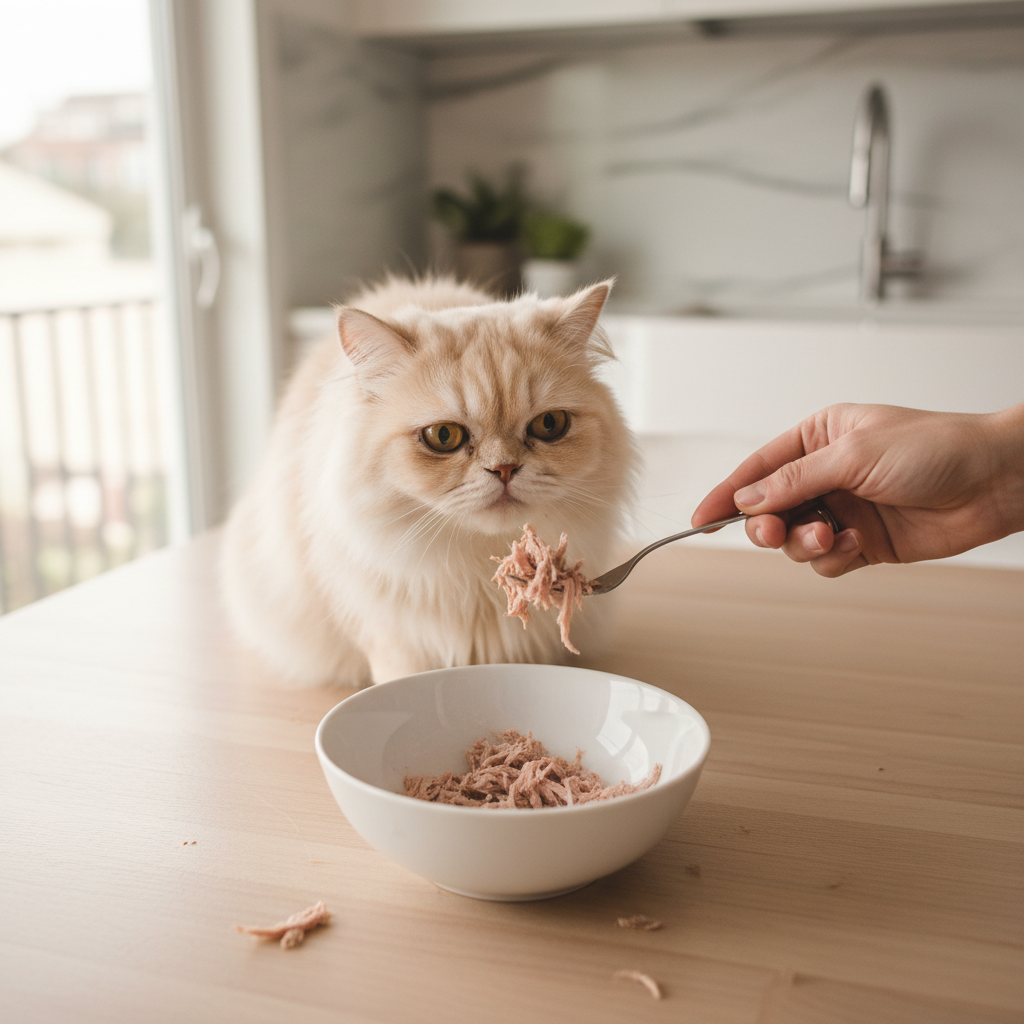
Cooked, plain lamb is safe and healthy for cats when fed in moderation. As obligate carnivores, cats thrive on animal protein, and lamb provides high-quality protein along with essential nutrients. Lamb is also considered a “novel protein” — meaning most cats haven’t been exposed to it — making it valuable for cats with food allergies or intolerances to common proteins like chicken or beef.
Veterinary nutritionists often recommend lamb-based diets for cats with inflammatory bowel disease or food sensitivities. The protein is highly digestible and well-tolerated by most cats. However, like all treats, lamb should complement, not replace, a complete and balanced feline diet.
Raw lamb, like all raw meats, carries bacterial risks (salmonella, E. coli) that make it unsuitable for cats. Always cook lamb thoroughly to an internal temperature of at least 145°F (63°C).
Nutritional Value
Cooked lamb provides:
- Protein: High-quality complete protein for muscle maintenance
- Iron: Highly bioavailable heme iron for oxygen transport
- B vitamins: Including B12 for neurological function
- Zinc: Immune support and skin health
- Selenium: Antioxidant mineral
- Omega-3 fatty acids: Grass-fed lamb provides anti-inflammatory fats
Benefits
- Novel protein: Ideal for elimination diets and food allergies
- Highly digestible: Usually well-tolerated by sensitive cats
- Rich flavor: Appeals to picky eaters
- Nutrient-dense: Provides significant nutrition per serving
Risks and What to Avoid
Raw lamb: Risk of bacterial contamination. Always cook thoroughly.
High fat content: Lamb can be fatty. Trim excess fat to prevent pancreatitis.
Seasoned preparations: Garlic, onions, and spices are toxic to cats.
Bones: Cooked lamb bones can splinter and cause choking or internal injury.
Processed lamb: Lamb sausage, gyro meat, and similar products contain salt, preservatives, and seasonings.
How to Prepare Lamb for Cats
When preparing lamb for your cat, follow these guidelines:
- Choose lean cuts like leg or loin
- Trim all visible fat before cooking
- Cook thoroughly without seasonings, oils, or butter
- Cut into small, manageable pieces
- Let cool completely before serving
- Refrigerate leftovers and use within 2 days
How Much Can a Cat Eat?
| Size | Max Serving | Frequency |
|---|---|---|
| Small (under 8 lbs) | 1 teaspoon | 1-2 times per week |
| Medium (8–12 lbs) | 1-2 teaspoons | 1-2 times per week |
| Large (12+ lbs) | 1 tablespoon | 1-2 times per week |
When to Call Your Vet
Contact your veterinarian if your cat shows signs of digestive upset, vomiting, diarrhea, or allergic reactions after eating lamb. ASPCA Poison Control: 888-426-4435.