
Key Takeaways
- Mackerel is safe for cats as an occasional treat
- Good source of omega-3 fatty acids and protein
- Choose plain, cooked mackerel or mackerel in water
- Avoid seasoned, smoked, or canned mackerel in oil or brine
- High in unsaturated fats — feed sparingly to avoid vitamin E deficiency
Is Mackerel Safe for Cats?
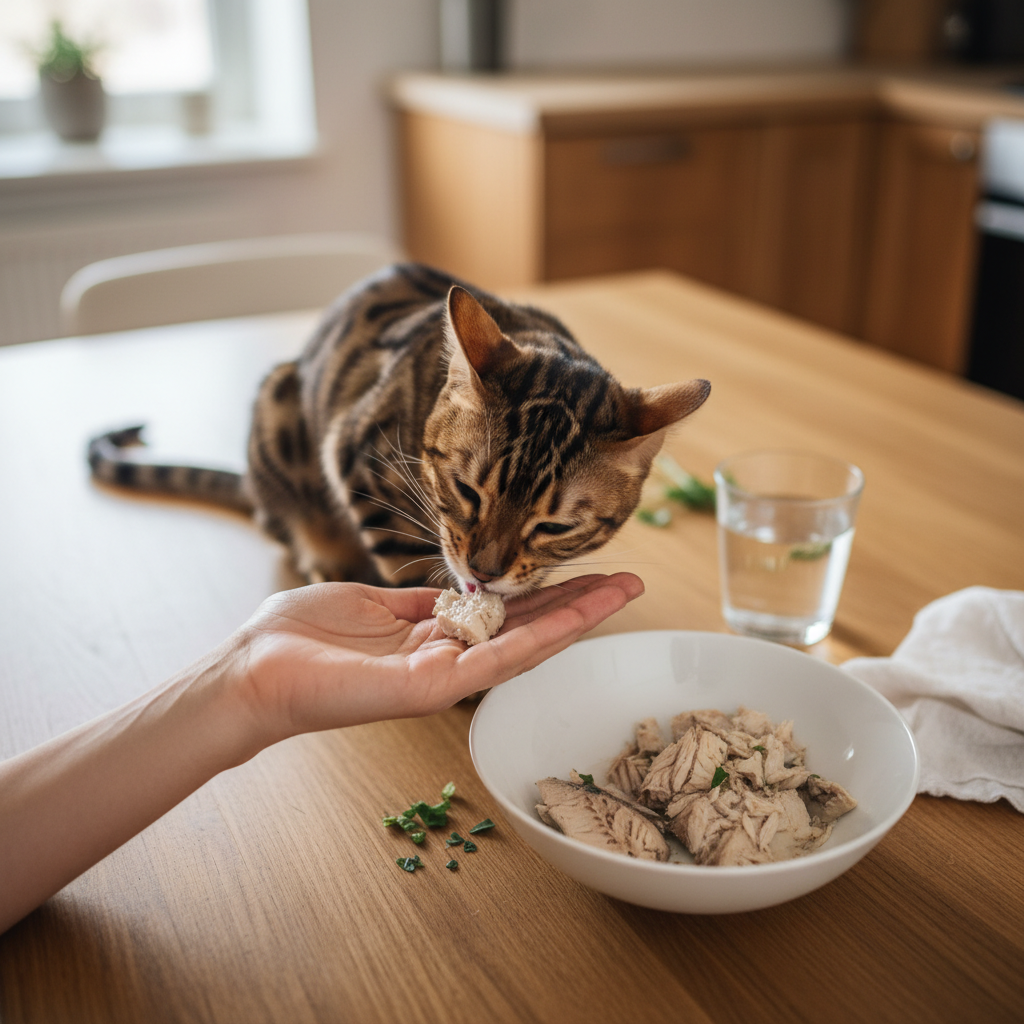
Cooked, plain mackerel is safe for cats when fed in moderation. This oily fish is a natural prey item that provides protein, omega-3 fatty acids, and nutrients cats need. However, like all fish, mackerel should be an occasional treat rather than a dietary staple due to potential nutritional imbalances and contaminants.
Veterinary nutritionists note that fish-based diets, if fed exclusively long-term, can lead to thiamine (vitamin B1) deficiency and other nutritional issues. Mackerel as an occasional treat is fine, but shouldn’t replace balanced cat food. The enzymes in raw fish can destroy thiamine, so cooking is essential.
King mackerel should be avoided due to higher mercury levels. Atlantic mackerel and smaller species are safer choices for your feline companion.
Nutritional Value
Mackerel provides:
- Omega-3 fatty acids: Anti-inflammatory, support skin and coat health
- Protein: High-quality complete protein for muscle maintenance
- Vitamin D: Important for bone health
- Selenium: Antioxidant mineral supporting immune function
- B vitamins: Including B12 for neurological health
Benefits
- Skin and coat health: Omega-3s reduce inflammation and promote a shiny coat
- Palatability: Strong fish flavor appeals to picky eaters
- Joint support: Anti-inflammatory benefits help arthritic cats
- Heart health: Omega-3s support cardiovascular function
Risks and What to Avoid
Mercury content: King mackerel is high in mercury. Choose smaller Atlantic mackerel instead for safer consumption.
Histamine: Spoiled mackerel can contain high histamine levels that cause food poisoning. Always ensure freshness.
Oil-packed: Adds unnecessary fat and calories. Choose water-packed or fresh cooked mackerel instead.
Smoked mackerel: High in salt and potential carcinogens from the smoking process. Not recommended for cats.
Thiaminase: Raw fish contains enzymes that destroy thiamine (vitamin B1). Always cook thoroughly before feeding.
Vitamin E deficiency: Too much fish can deplete vitamin E stores. Feed fish in moderation only.
Types of Mackerel to Consider
Different mackerel species have different safety profiles:
- Atlantic mackerel: Lower mercury, safer choice
- Pacific mackerel: Generally safe in moderation
- King mackerel: High mercury — avoid
- Spanish mackerel: Moderate mercury — feed sparingly
How Much Can a Cat Eat?
| Size | Max Serving | Frequency |
|---|---|---|
| Small (under 8 lbs) | 1 teaspoon | Once per week |
| Medium (8–12 lbs) | 1-2 teaspoons | Once per week |
| Large (12+ lbs) | 1 tablespoon | Once per week |
When to Call Your Vet
Contact your veterinarian if your cat shows signs of digestive upset or if you have concerns about mercury exposure. ASPCA Poison Control: 888-426-4435.