
Key Takeaways
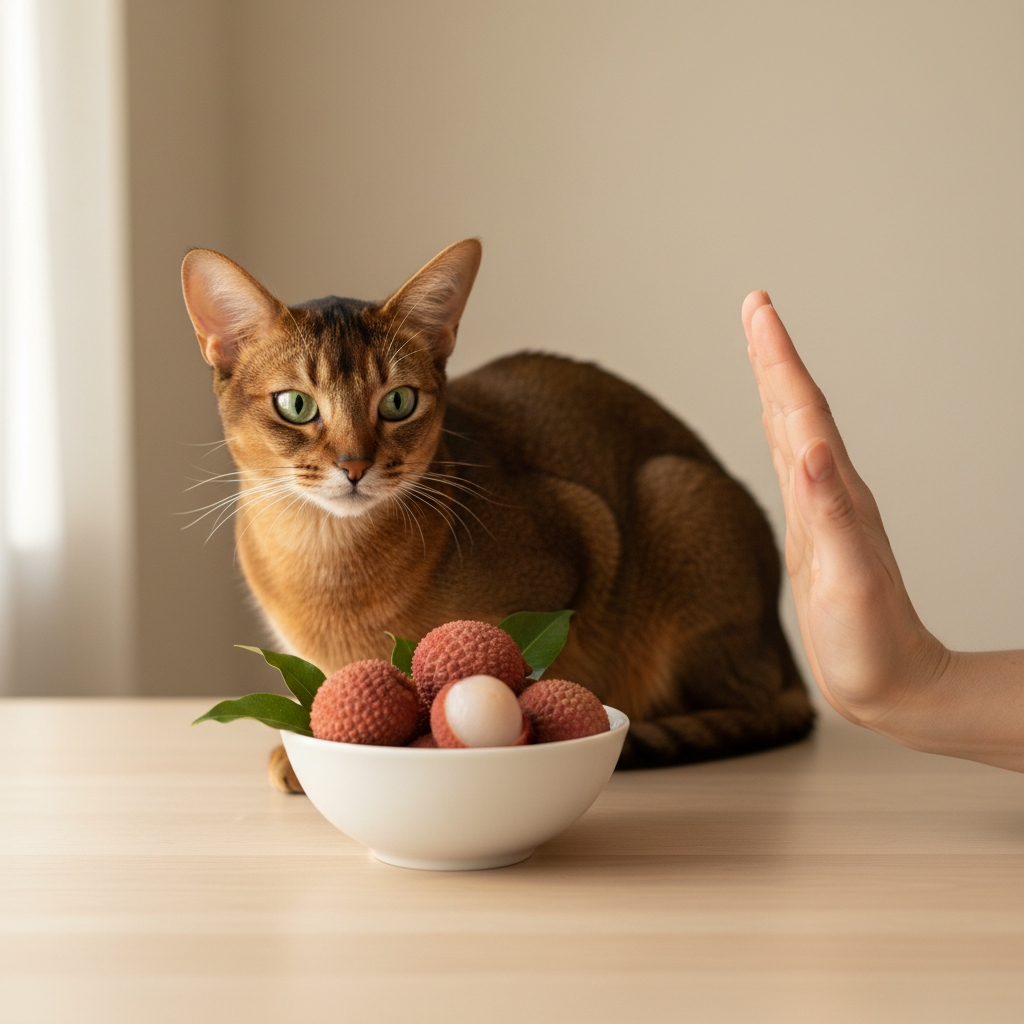
- Lychee is not safe for cats
- The seed is toxic and can cause intestinal blockage
- Flesh contains compounds that may cause hypoglycemia
- Unripe lychee is particularly dangerous
- Canned lychee is high in sugar, which is harmful to cats
Is Lychee Safe for Cats?
Lychee is not safe for cats and should be avoided. While this tropical fruit is enjoyed by humans for its sweet, floral flavor, it poses several risks to feline health. The seed is particularly dangerous — it’s toxic and can cause choking or intestinal obstruction if swallowed. The fruit flesh also contains compounds that can affect blood sugar levels in dangerous ways.
In humans, particularly children, consumption of unripe lychee on an empty stomach has been linked to serious hypoglycemic encephalopathy. While similar studies haven’t been conducted in cats, the potential for blood sugar disruption and toxicity makes lychee an unnecessary risk for our feline companions.
Canned lychee presents additional problems with high sugar content in syrup, which is harmful to cats and can contribute to obesity and diabetes. Cats cannot taste sweetness and have no biological need for sugar in their diet.
Risks and What to Avoid
The seed: Large, hard, and toxic. If swallowed, it can block the intestines and requires surgical removal. Never let cats access lychee seeds. The seed contains toxic compounds that can cause serious health issues.
Hypoglycemia risk: Lychee contains methylene cyclopropyl glycine (MCPG), which can interfere with glucose synthesis and cause dangerous blood sugar drops. This is particularly dangerous for cats, who are already prone to blood sugar fluctuations.
High sugar content: Fresh lychee is sweet, and canned versions are packed in heavy syrup. Cats cannot taste sweetness and don’t need sugar, which contributes to obesity, diabetes, and dental disease.
Digestive upset: Even small amounts of unfamiliar fruit can cause vomiting or diarrhea in cats. Their digestive systems are not designed to process fruit.
Unripe fruit: More concentrated toxins make unripe lychee especially dangerous. The unripe fruit has higher levels of hypoglycin A and MCPG.
Choking hazard: The flesh texture and seed size present choking risks for cats.
Symptoms of Lychee Toxicity
If your cat consumes lychee, watch for these warning signs:
- Vomiting or diarrhea
- Lethargy or weakness
- Loss of coordination
- Tremors or seizures
- Loss of appetite
- Signs of abdominal pain
- Hypoglycemia symptoms (confusion, weakness, collapse)
When to Call Your Vet
Contact your veterinarian immediately if your cat:
- Eats any part of a lychee, especially the seed
- Shows signs of hypoglycemia (weakness, lethargy, tremors, seizures)
- Vomits repeatedly or shows signs of abdominal pain
- Has difficulty breathing or appears to be choking
- Shows any unusual behavior after potential exposure
Do not wait for symptoms to appear if you know your cat consumed lychee seeds — seek veterinary attention immediately.
ASPCA Poison Control: 888-426-4435
Safe Fruit Alternatives
If you want to share fruit with your cat (though cats don’t require fruit in their diet), safer options in tiny amounts include:
- Small pieces of melon (cantaloupe, watermelon) — hydrating and low calorie
- Blueberries — antioxidant-rich in very small amounts
- Peeled apple slices (no seeds) — seeds contain cyanide
- Cooked pumpkin — good for digestion
However, meat-based treats are always more appropriate for cats and better align with their nutritional needs as obligate carnivores.
Sources
- PetMD — Can Cats Eat Lychee?
- ASPCA Animal Poison Control
- Cornell University College of Veterinary Medicine
What cats actually want
Most cats want protein, not fruit — freeze-dried chicken lands every time.
Browse freeze-dried chicken treats →As an Amazon Associate we earn from qualifying purchases.