
Key Takeaways
- Pandan is not recommended for dogs
- The fibrous leaves can cause intestinal blockage
- May cause digestive upset including vomiting and diarrhea
- Often prepared with sugar, coconut milk, or other ingredients unsafe for dogs
- Keep pandan-flavored desserts and dishes away from dogs
Is Pandan Safe for Dogs?
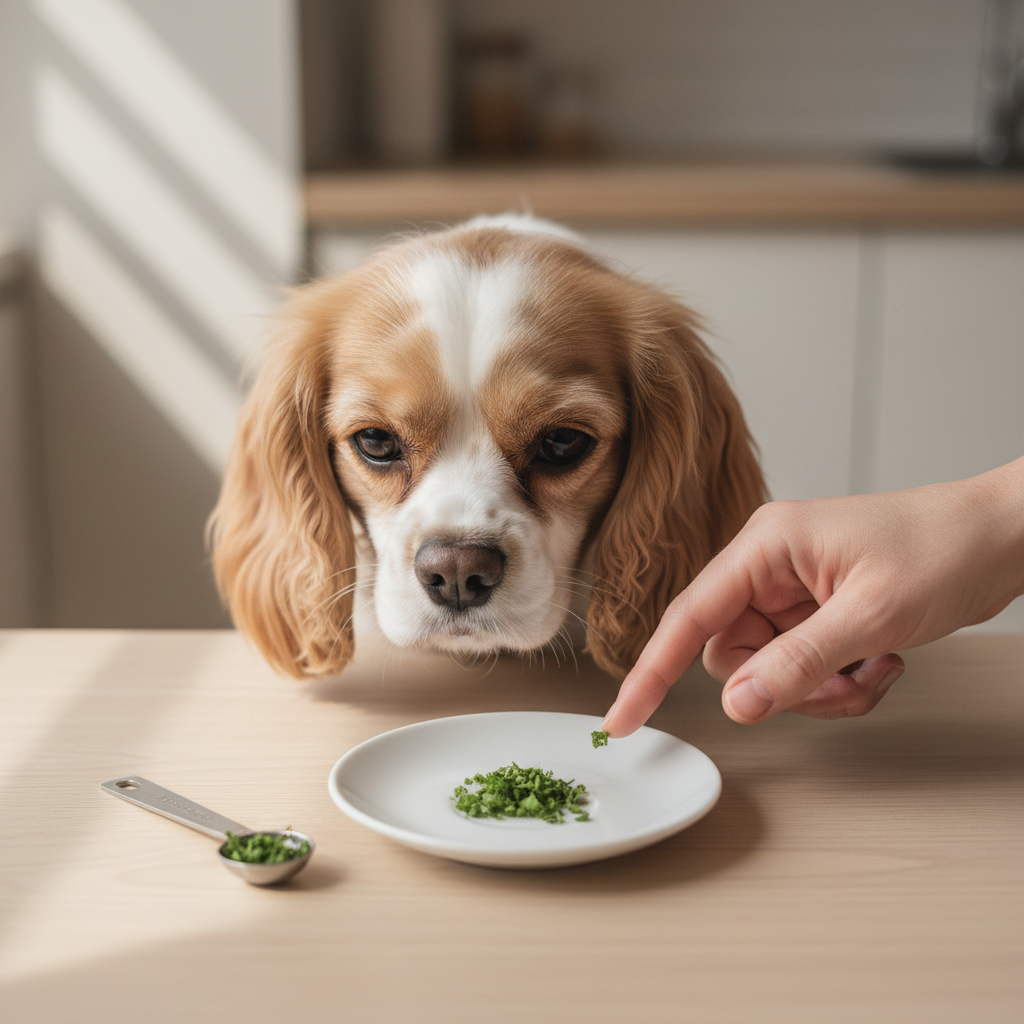
Pandan is not considered safe for dogs and should be avoided. While not as toxic as some plants, pandan leaves pose several risks that make them unsuitable for canine consumption. The long, fibrous leaves are difficult to digest and can cause physical blockages in the digestive tract.
Pandan is widely used in Southeast Asian cuisine for its sweet, fragrant flavor and distinctive green color. While humans enjoy pandan in desserts, rice dishes, and beverages, these preparations are completely inappropriate for dogs due to high sugar content, coconut milk, and other problematic ingredients.
The ASPCA does not specifically list pandan as toxic, but veterinary guidance recommends avoiding it due to the risk of gastrointestinal upset and obstruction.
Risks and What to Avoid
Intestinal blockage: The tough, fibrous nature of pandan leaves makes them difficult to digest. Large pieces can clump together and cause obstruction requiring surgical intervention.
Gastrointestinal upset: Even small amounts can cause vomiting, diarrhea, and stomach discomfort.
High sugar content: Pandan is almost always prepared with significant sugar in desserts and drinks, which is harmful to dogs.
Coconut milk: Often paired with pandan, coconut milk is high in fat and can cause digestive upset or pancreatitis.
Food coloring: Commercial pandan extracts often contain artificial colors that provide no benefit and may cause reactions.
When to Call Your Vet
Contact your veterinarian if your dog eats pandan leaves or pandan-containing foods, especially if you observe:
- Vomiting or diarrhea
- Loss of appetite
- Abdominal pain or bloating
- Lethargy or depression
- Signs of intestinal blockage (repeated vomiting, constipation, inability to keep food down)
ASPCA Poison Control: 888-426-4435
Safe Alternatives
If you want to share something fragrant and tasty with your dog, consider these safe options instead:
- Small amounts of plain cooked chicken or turkey
- Plain rice (white or brown)
- Steamed vegetables like carrots or green beans
- Small pieces of apple (no seeds)