
Key Takeaways
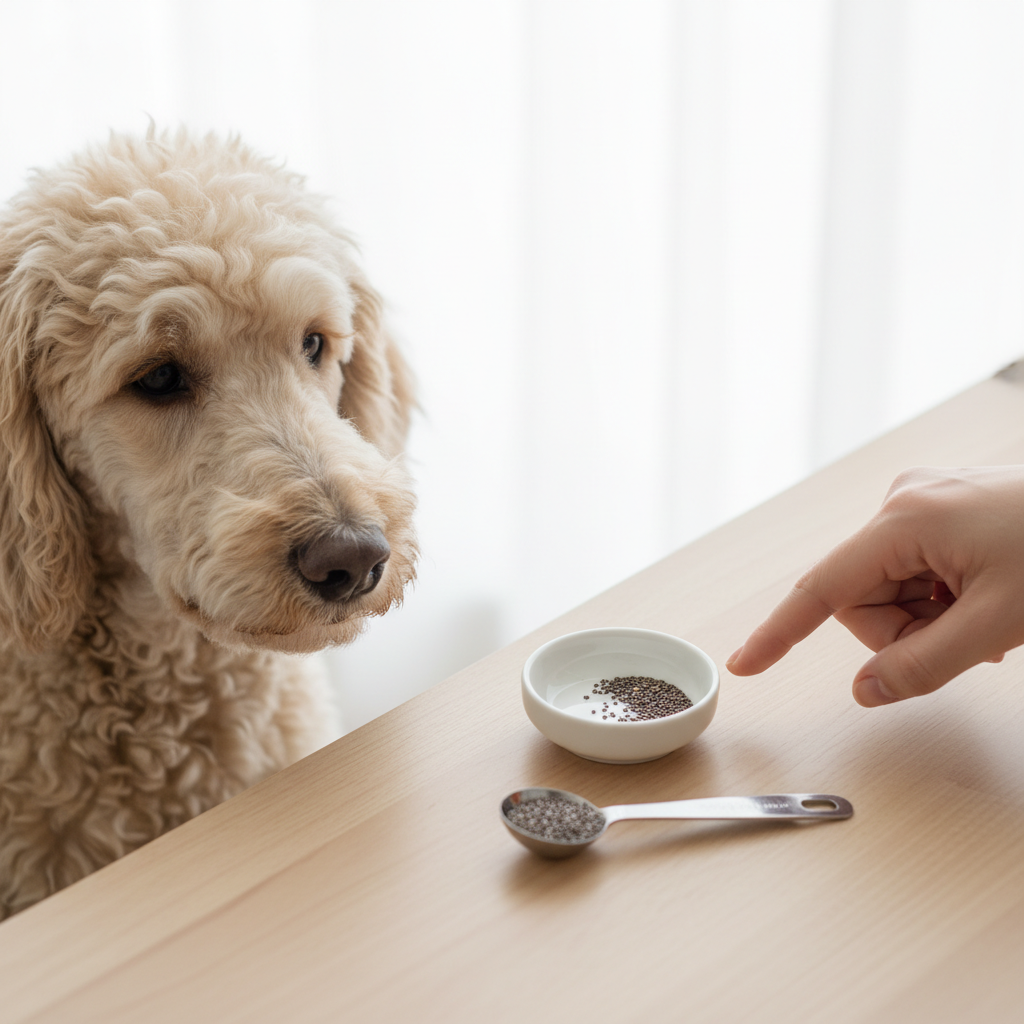
- Chia seeds are safe for dogs in small quantities
- Rich in omega-3 fatty acids, fiber, calcium, and antioxidants
- Can absorb 10-12 times their weight in water — ensure adequate hydration
- Start with very small amounts to avoid digestive upset
- Soaking seeds before feeding is recommended
Is Chia Seeds Safe for Dogs?
Chia seeds are safe for dogs when fed in appropriate amounts. These tiny seeds pack a powerful nutritional punch and have gained popularity as a “superfood” for both humans and pets. However, their high fiber content and ability to absorb significant amounts of water mean they must be fed carefully.
Veterinary nutritionists note that while chia seeds offer health benefits, they should be considered a supplement rather than a dietary staple. The high fiber can cause digestive issues if introduced too quickly or fed in excess.
Always ensure your dog has access to plenty of water when feeding chia seeds, as the seeds absorb liquid and expand in the digestive tract.
Nutritional Value
Chia seeds provide impressive nutrition per small serving:
- Omega-3 fatty acids: Alpha-linolenic acid (ALA) supports skin, coat, and joint health
- Fiber: Both soluble and insoluble fiber support digestion
- Calcium: More per ounce than milk — supports bone health
- Phosphorus: Works with calcium for bone strength
- Manganese: Supports metabolism
- Antioxidants: Protect cells from oxidative damage
Benefits
- Skin and coat health: Omega-3s reduce inflammation and promote shine
- Digestive support: Fiber aids regular bowel movements
- Blood sugar regulation: May help stabilize glucose levels
- Joint health: Anti-inflammatory properties may benefit arthritic dogs
- Weight management: Creates satiety due to water absorption
Risks and What to Avoid
Digestive blockage: Dry chia seeds expand in the stomach. Always soak before feeding or ensure your dog drinks plenty of water.
Gastrointestinal upset: Too much fiber too quickly causes gas, bloating, and diarrhea. Start with tiny amounts.
Choking: While rare due to small size, whole seeds could theoretically pose a risk to very small dogs. Grinding is an option.
Drug interactions: Omega-3s can have mild blood-thinning effects. Consult your vet if your dog takes blood-thinning medications.
How Much Can a Dog Eat?
| Size | Max Serving | Frequency |
|---|---|---|
| Small (under 10 lbs) | 1/4 teaspoon (soaked) | Once per day |
| Medium (10–50 lbs) | 1/2 teaspoon (soaked) | Once per day |
| Large (50+ lbs) | 1 teaspoon (soaked) | Once per day |
When to Call Your Vet
Contact your veterinarian if your dog experiences vomiting, diarrhea, bloating, or signs of gastrointestinal blockage after eating chia seeds. ASPCA Poison Control: 888-426-4435.